The Simpsons Joke That Rewrote Frank Gehry’s Story: 7 Revelations About the Legendary Architect
Bidding farewell to Frank Gehry, the most fearless innovator and prolific visionary who fundamentally changed the trajectory of contemporary architecture, and also left an unexpected influence on cinema and fashion.
- 11 Dec '25
- 1:49 pm by Aditi Singla

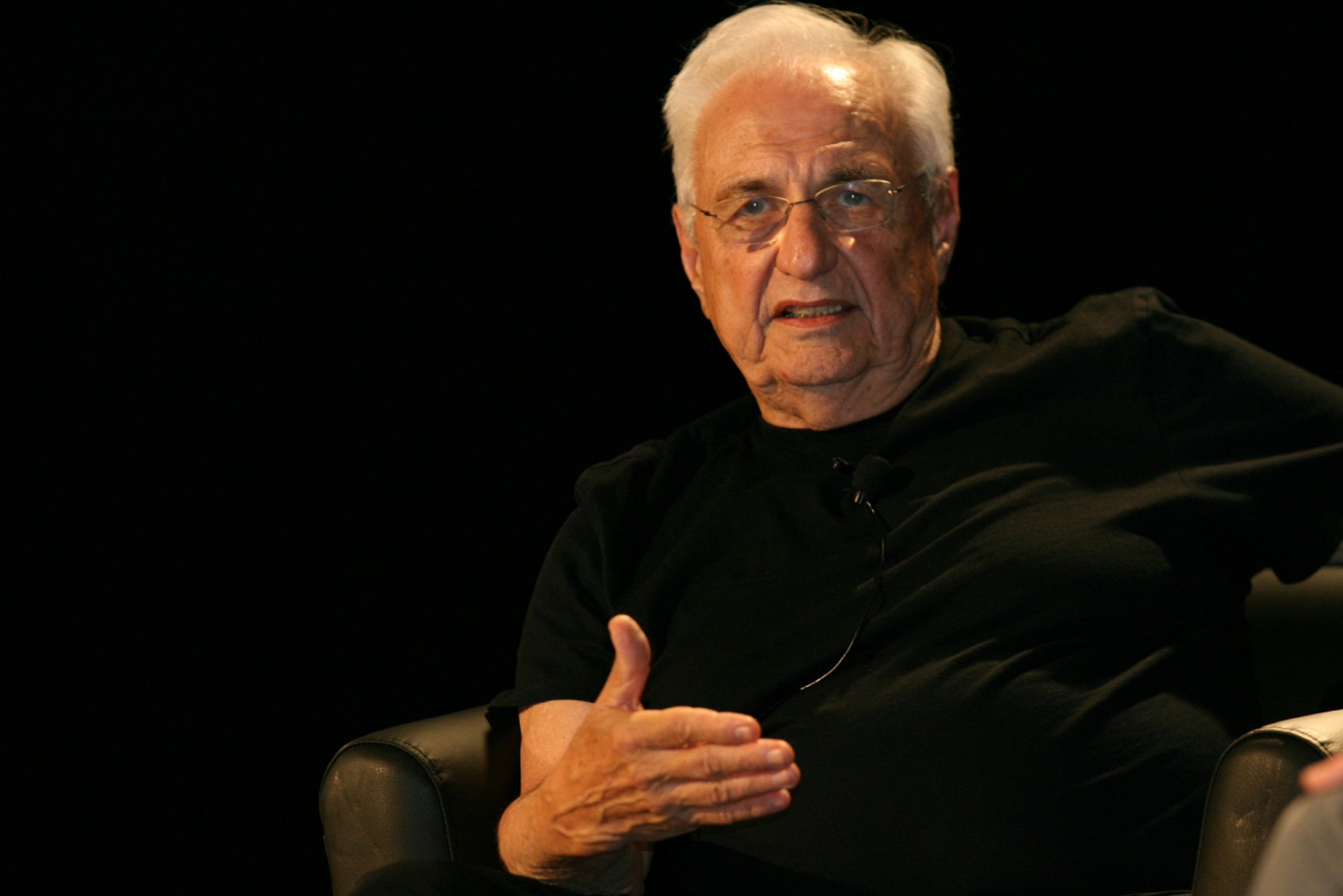
The world mourns the loss of Canadian-American Architect Frank Gehry, the visionary whose imagination shifted skylines, stirred emotion, and forever altered how the world understands architecture. The one who turned fantasy into structure and sculpture into shelter. He passed away at age 96, leaving generations of architects, designers, and dreamers indebted to his belief that form should move the soul.
Born in Toronto in 1929, and raised in Los Angeles from 1947, Gehry’s journey from a young architecture student at the University of Southern California to one of the world’s most celebrated architects, is a story of fearless creativity, relentless curiosity, and a profound concern for how people inhabit spaces. After earning his Bachelor of Architecture in 1954, he served in the US Army and then pursued studies in City Planning at Harvard University’s Graduate School of Design. From these formative years emerged a career spanning six decades, producing valorous buildings that set new benchmarks for what was possible.
As we remember him, let’s look at seven intriguing revelations from Frank Gehry’s extraordinary world that stand out.
Also Read: Hanif Kureshi (1982-2024): A Trailblazer In The Indian Public Art Movement
His Structures Made Memorable On-Screen Appearances
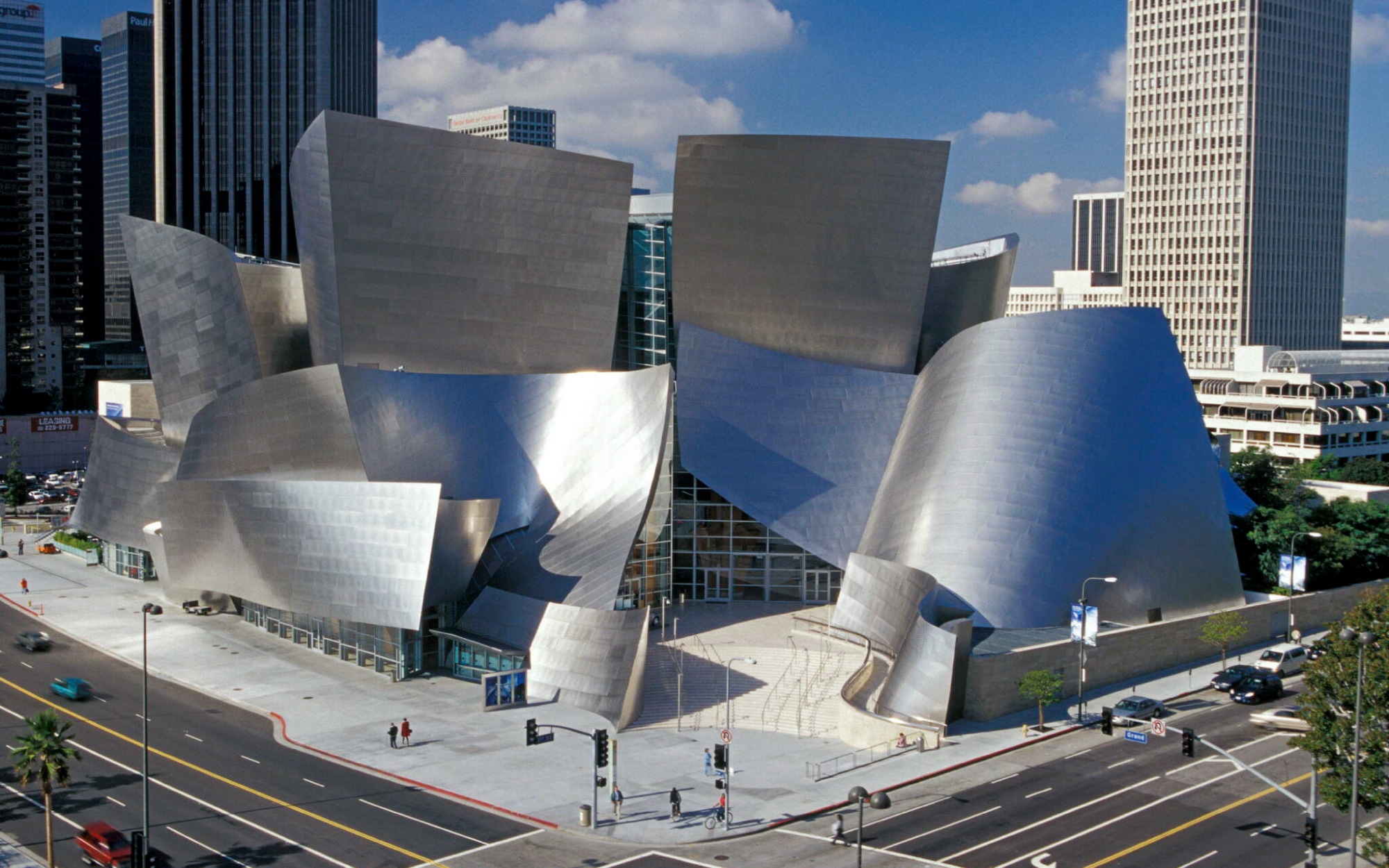
Frank Gehry’s architectural masterpieces, characterised by their dynamic, deconstructivist forms, have frequently become silent stars in both movies and TV series. The most famous among them is the Walt Disney Concert Hall in Los Angeles, its shining curves appeared in movies like Collateral, Iron Man, Star Trek: Picard and The Simpsons. The Guggenheim Museum Bilbao, known for its “Bilbao Effect,” was featured in the opening sequence of the James Bond Film, The World Is Not Enough, while Prague’s “Dancing House” has also made memorable appearances on-screen.
He Designed Objects As Boldly As Buildings
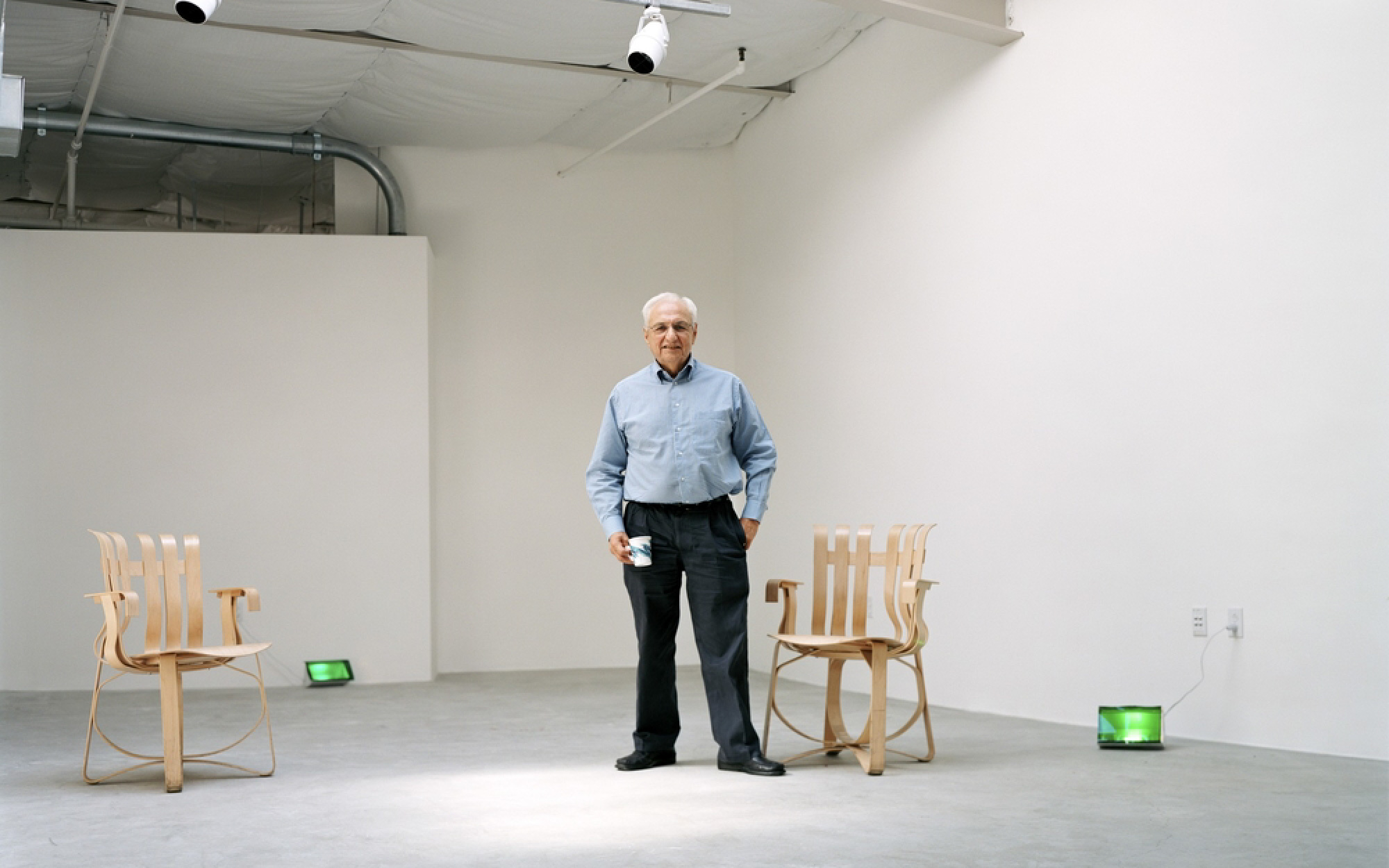
We all know Gehry’s architectural innovations are legendary. He boldly rejected formulaic rigidity, favouring instead architecture that was highly expressive and made from unexpected materials. But did you know that early in his career, he also created furniture and sculptures crafted from the same wealth of materials. The Easy Edges (1969–73) and Experimental Edges (1979–82) series of chairs and tables were made of industrial corrugated cardboard, while a later Knoll furniture series (1989–92) was made from pliable bentwood. Gehry also had a long-standing fascination for the fish motif that surfaced early in the 1980s, when Formic commissioned him to make a series of glowing fish lamps using a translucent plastic laminate, ColorCore. This sinuous form later resurfaced through his public work, including his Fish Sculpture at Vila Olímpica in Barcelona, Spain (1989–92), and his Standing Glass Fish in the Minneapolis Sculpture Garden (1986). It is also believed that the fish form was his retort to postmodern architects who were “regurgitating Greek temples”.
His Pending Projects Will Crown His Legacy
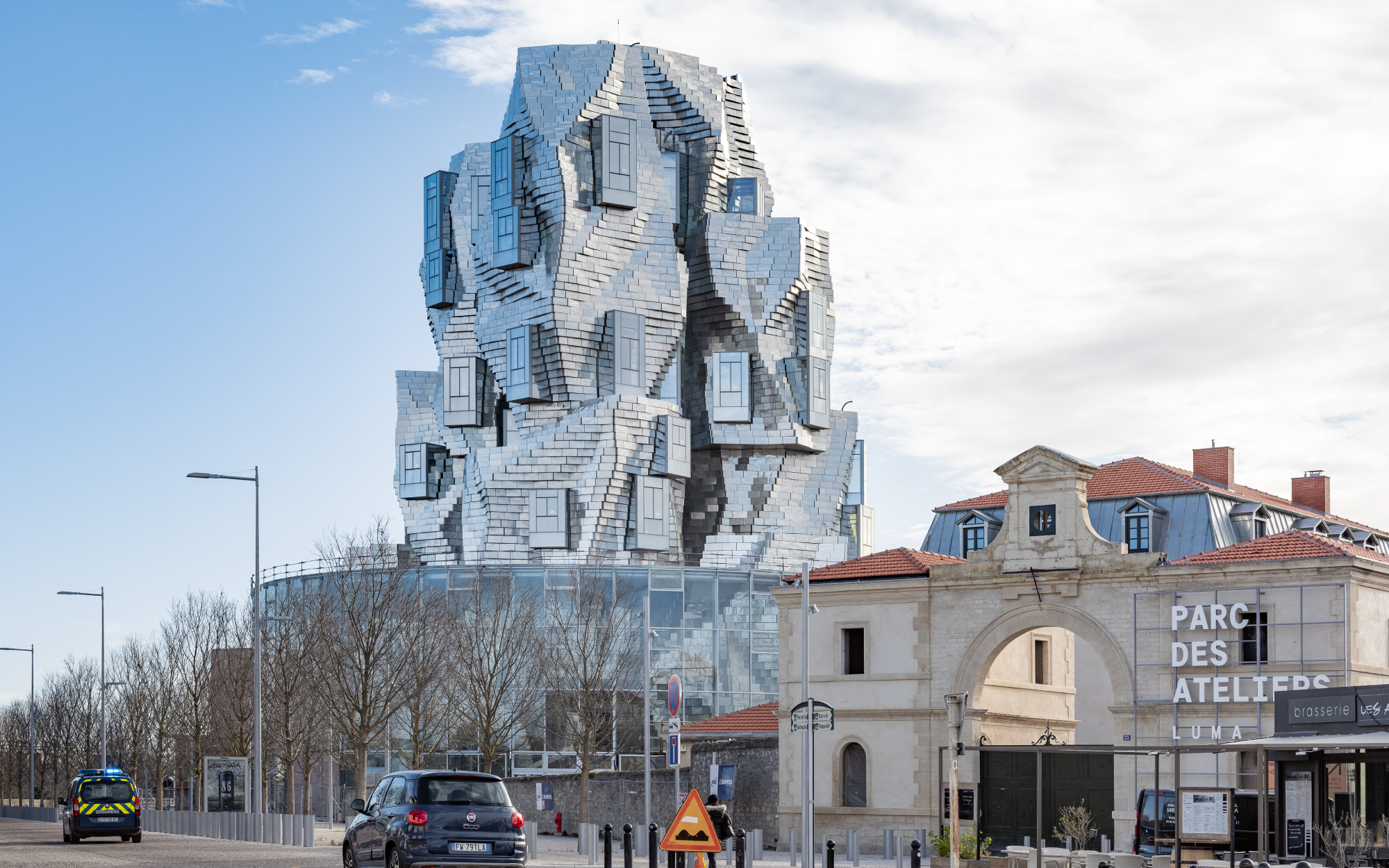
Established in 1962, Gehry’s studio, now called Gehry Partners, has crafted an extraordinary portfolio of civic, cultural, institutional and commercial landmarks across the world. And now his final major project, Guggenheim Abu Dhabi on Saadiyat Island is nearing completion. With 42,000 square metres of space, it will become the largest among the global network of Guggenheim Museum outposts, including Gehry’s famed Guggenheim Museum Bilbao in Spain. Meanwhile, his 84-storey Forma skyscrapers in Toronto, unveiled in 2022, are still under construction. The twin residential towers will be clad in rippled steel panels designed to create a “dancing” effect when reflecting light. These unfinished projects will stand as a culminating symbol of his legacy.
Also read: A Closer Look At The 6th Kochi-Muziris Biennale 2025 Through The Eyes Of Its Curator, Nikhil Chopra
His Imagination Reshaped Not Just Skylines But Also Fashion
In 2023, the Pritzker laureate unveiled 11 limited-edition handbags for Louis Vuitton at Art Basel Miami Beach during Miami Art Week. Named Louis Vuitton x Frank Gehry, the collection draws inspiration from his iconic buildings and animals. Following this, he also designed a transparent watch for Louis Vuitton, inspired by his Fondation Louis Vuitton Paris and Louis Vuitton Maison Seoul buildings. Titled Tambour Moon Flying Tourbillon Poinçon de Genève Sapphire Frank Gehry, the watch features a rippling sapphire case, with its dial, crown, lugs, and hands all cut from a single 200-kilogram block of sapphire. The dial’s wave-like engraving, created by crumpling a blown-up photo of the watch to determine the pattern, is a nod to Gehry’s signature style. Back in 2003, he also partnered with Tiffany & Co., later releasing a copyrighted collection in 2006 crafted from an unexpected mix of rock, wood, and precious metals.
He Made A Joke On TV And People Took It Seriously
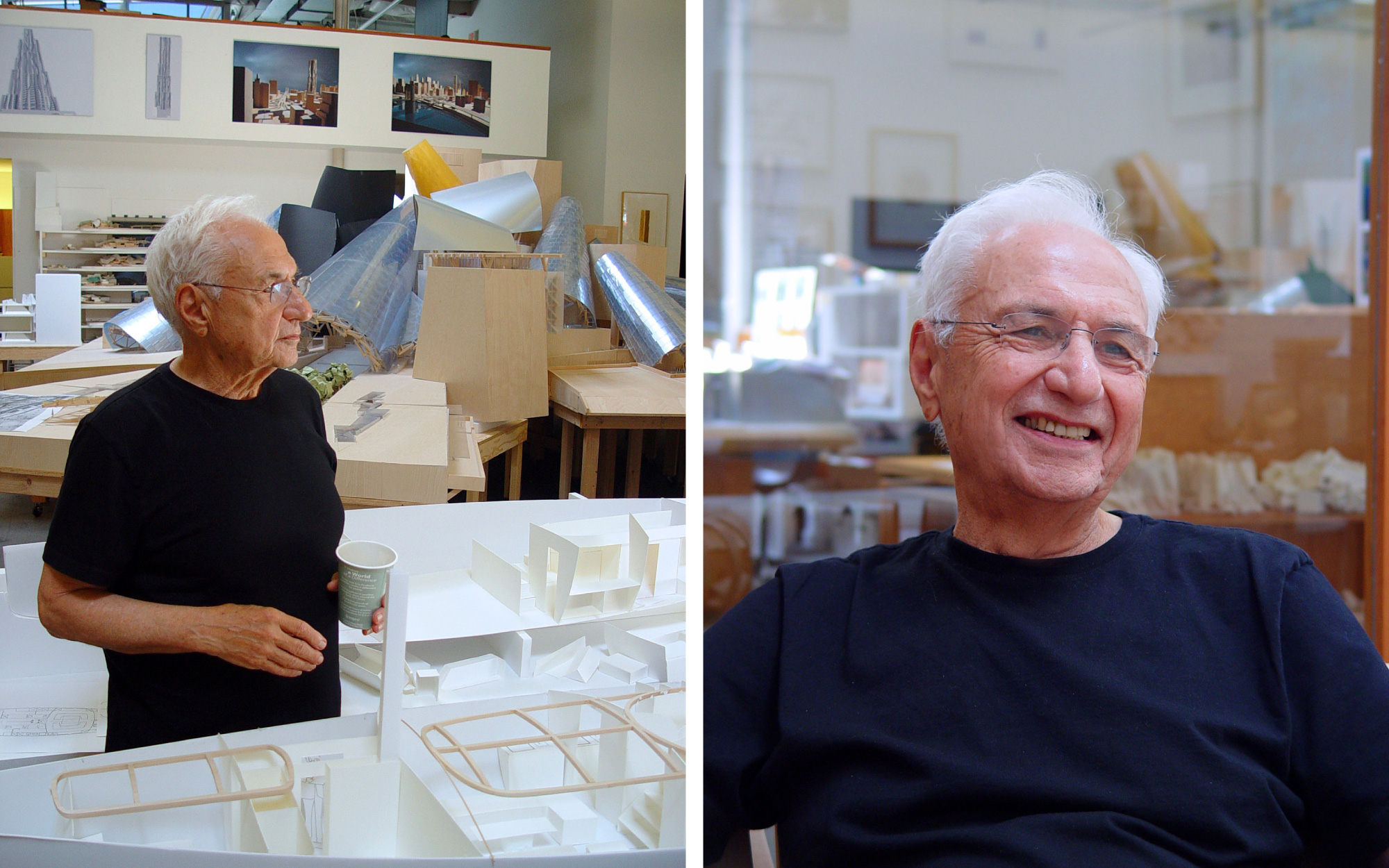
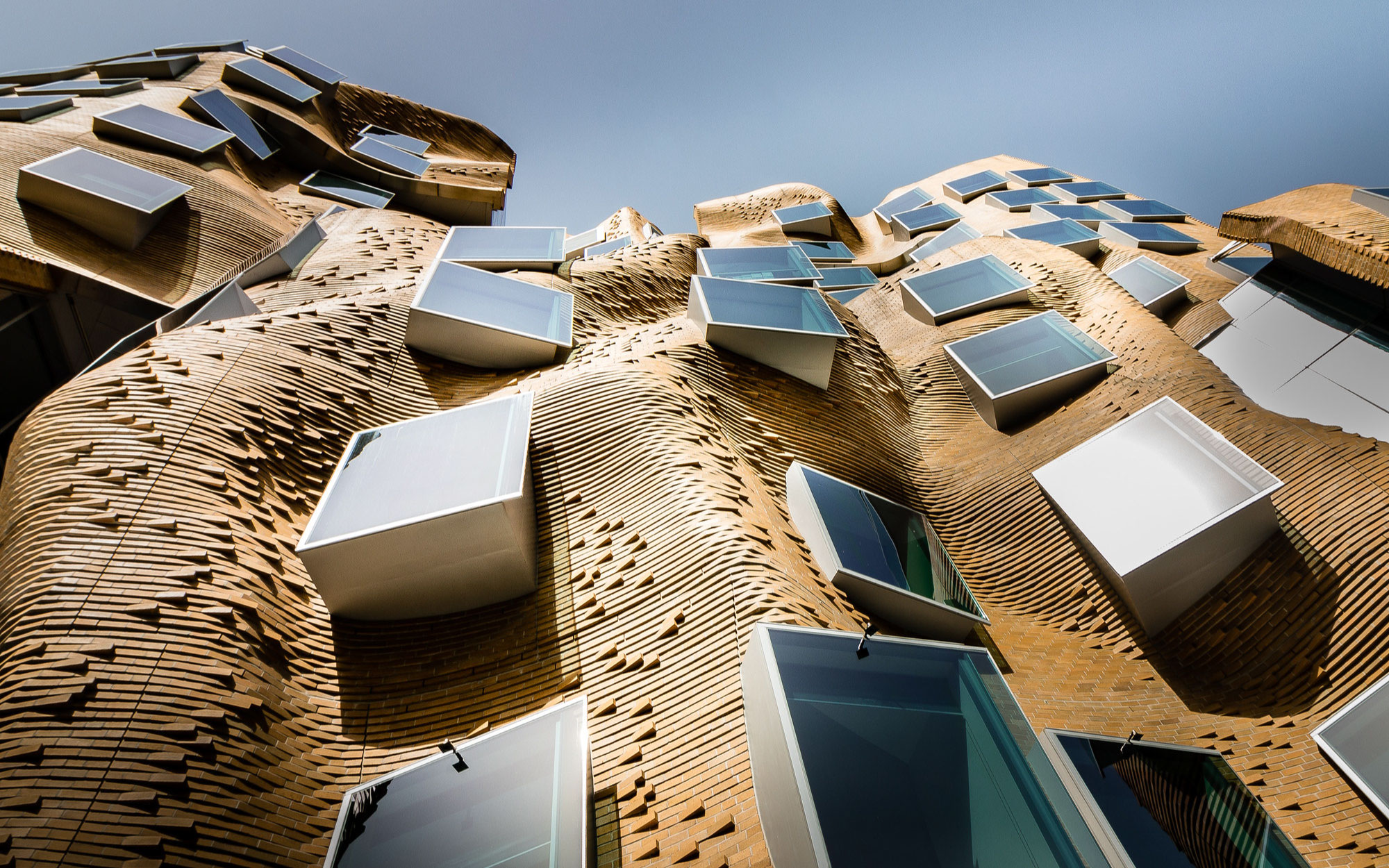
Gehry poked fun at himself in an episode of The Simpsons, when he appeared in a cameo: Marge sends him a letter asking if he would build a concert hall in Springfield. He reads it and then crumples into a ball, and the resulting shape becomes his ‘inspiration’ for a new concert hall. He later said that this joke haunted him because people genuinely believed his designs originated this way. In the real world, too, his designs sometimes faced criticism for being theatrical, as his buildings often utilised materials like titanium, steel and glass to achieve a distinctive, liquid, and sculptural quality. The sweeping curves and irregular forms were so unconventional that it often felt like a UFO had landed in the city. These dynamic structures are a reminder that Gehry’s genius lay in his rare ability to fuse wild imagination with purposeful design.
He Fused Intuition With Aerospace Software
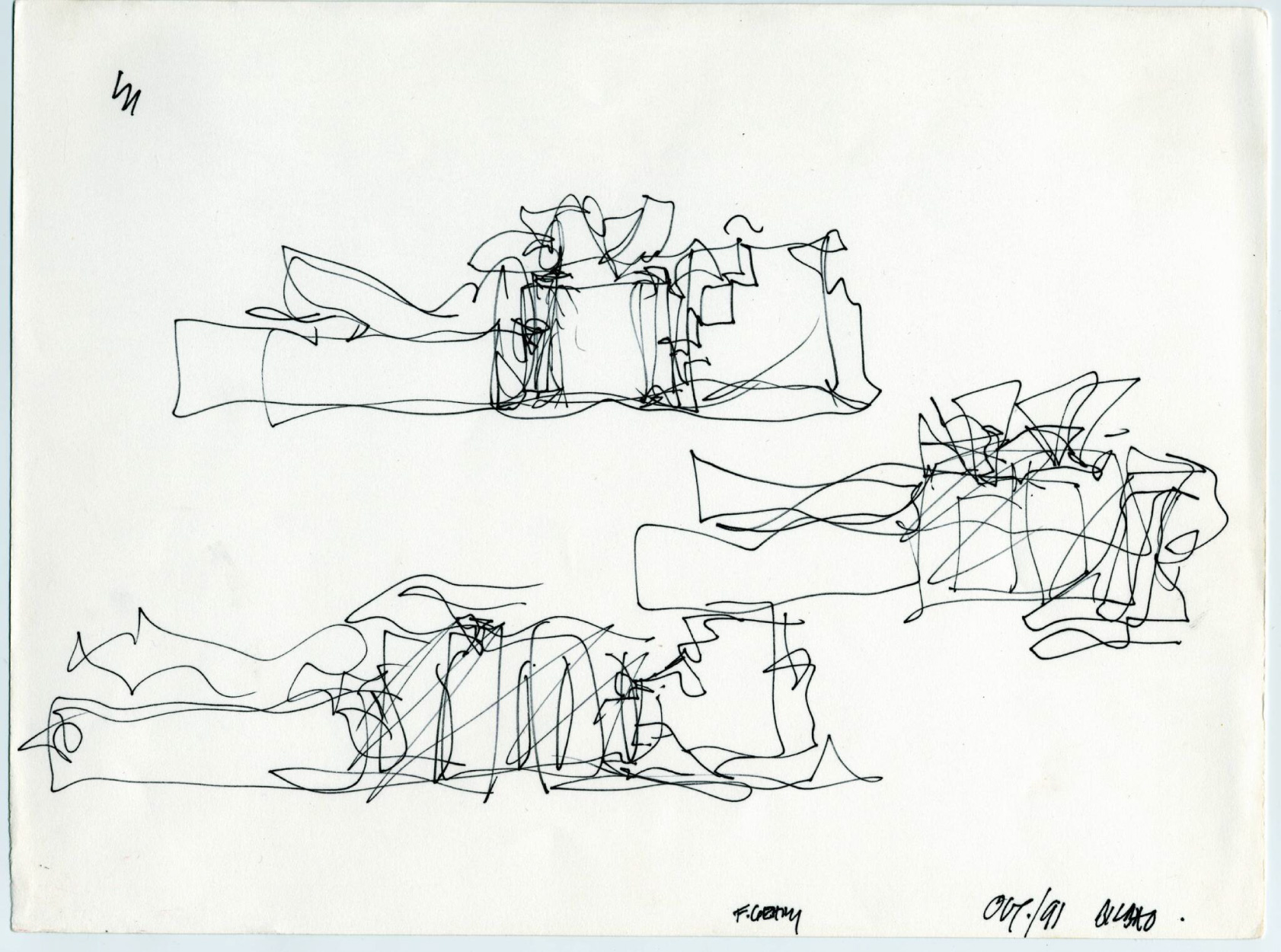
Gehry challenged architectural conventions long before digital tools became commonplace. He sketched loose, chaotic lines and trusted his intuition to explore spatial possibilities. But as Gehry’s portfolio expanded, so did his methods. He adopted advances in digital modelling and construction coordination, experimenting with software originally developed for aerospace engineering. These tools enabled him to translate his intuitive sketches into unconventional geometries and set new benchmarks in the industry. His most iconic projects, including the Walt Disney Concert Hall, Guggenheim Museum Bilbao, Fondation Louis Vuitton, and the Museum of Pop Culture in Seattle, were realised using aerospace-inspired digital tools to achieve their complex, flowing forms.
Also Read: With The Artist: Why Anju Dodia Believes Art Is More Than the Hunt For Meaning
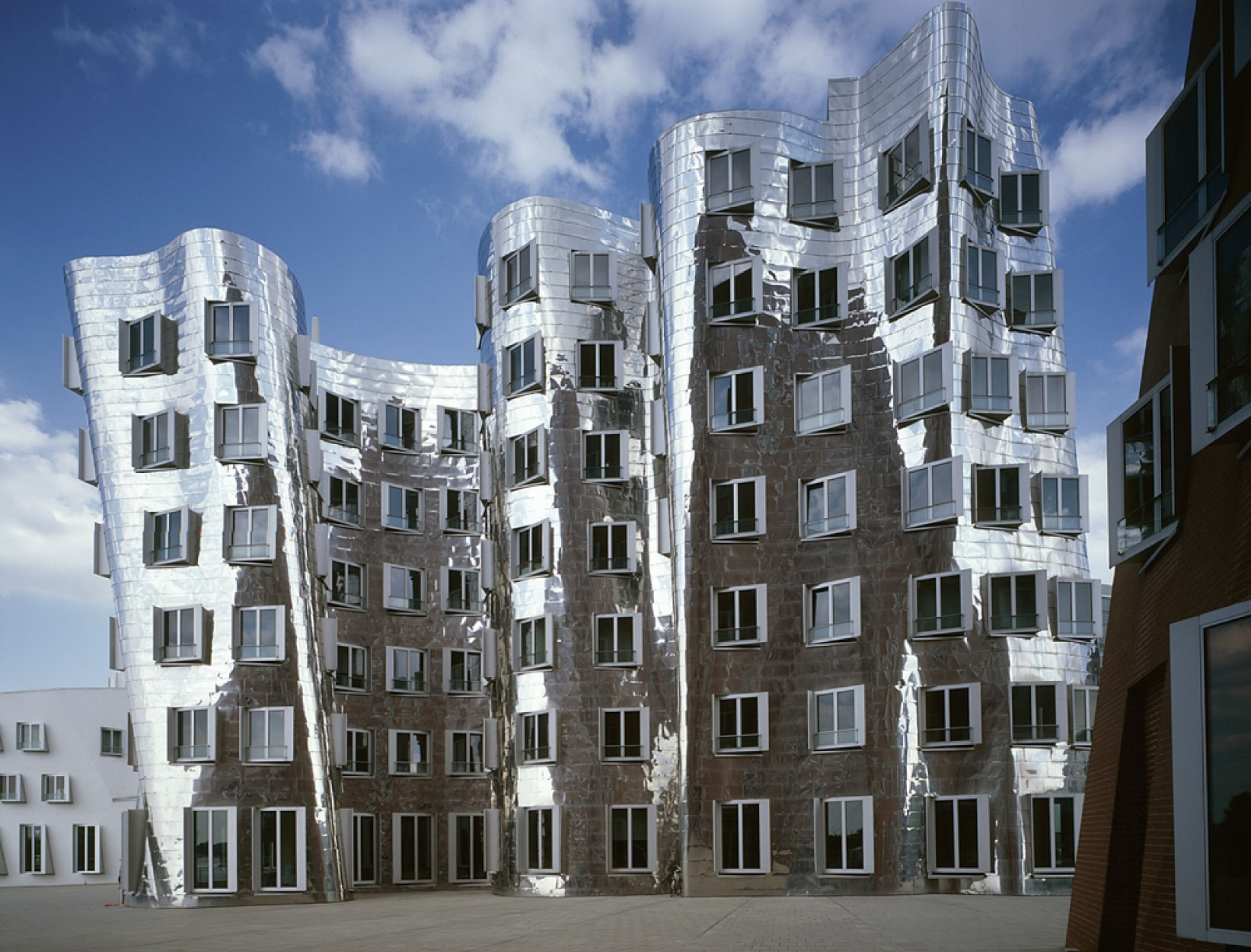
His Designs Are Preserved In Washington
Gehry’s relationship with the National Building Museum, Washington, stretches back to 1988, when two of his structures were temporarily installed in its Great Hall. His original concept sketch and foamcore model were subsequently donated to the museum’s permanent collection. Today, the museum continues to spotlight his legacy through Visible Vault: Open Collections Storage, which showcases architectural models from Gehry’s proposed addition to the Corcoran Gallery of Art, offering visitors a rare look at this unbuilt project.
Like Picasso, to whom he was often compared, Frank Gehry possessed a rare gift of seeing things differently and making others see it differently, too. The influential architect leaves behind a world transformed by his bold experimentation and relentless pursuit of beauty and meaning. His monumental legacy urges us to remain curious, stay rebellious, and continue pushing the boundaries of what architecture can become.
Rest in peace, Gehry