From Nigeria To Seoul (Part Two): A Journey Through Abu Dhabi Art 2025’s Top Galleries
Abu Dhabi Art 2025 at Manarat Al Saadiyat feels like a conversation with the world, where art tells stories of intimacy, poetry, and unexpected connections.
- 10 Dec '25
- 1:58 pm by Sana Krishna

Before the year could fold into winter, Abu Dhabi staged a finale that felt less like a conventional art fair and more like a gathering of worlds. Under the patronage of His Highness Sheikh Khaled bin Mohamed bin Zayed Al Nahyan, Manarat Al Saadiyat became a space where time seemed to bend. From 19th to 23rd November 2025 the world saw ideas, history, and voices converge. At the helm, Fair Director Dyala Nusseibeh orchestrated the 17th edition, welcoming over 140 galleries from 52 cities across 37 countries. Yet, the real pulse of the fair was not in the numbers; it flowed through the themes and the conversations they ignited. This year, that current carried us across Nigeria, the Gulf, and Turkey. Looking ahead, the fair stands on the cusp of transformation. With Frieze set to take over and rebrand the event as Frieze Abu Dhabi in 2026, Nusseibeh notes that the shift will usher the fair into a broader, more global dialogue—one shaped by Frieze’s networks, reach, and curatorial expertise. What follows is more than a list: it is a journey through works that delight the eye, stir the mind, and, at moments, touch the heart. This is part two of our selection, featuring the seven galleries to watch.
Also read: Art Confidential: Abhinit Khanna On Playing The Long Game When Collecting
1. Mennour, Paris
2. Niru Ratnam, London
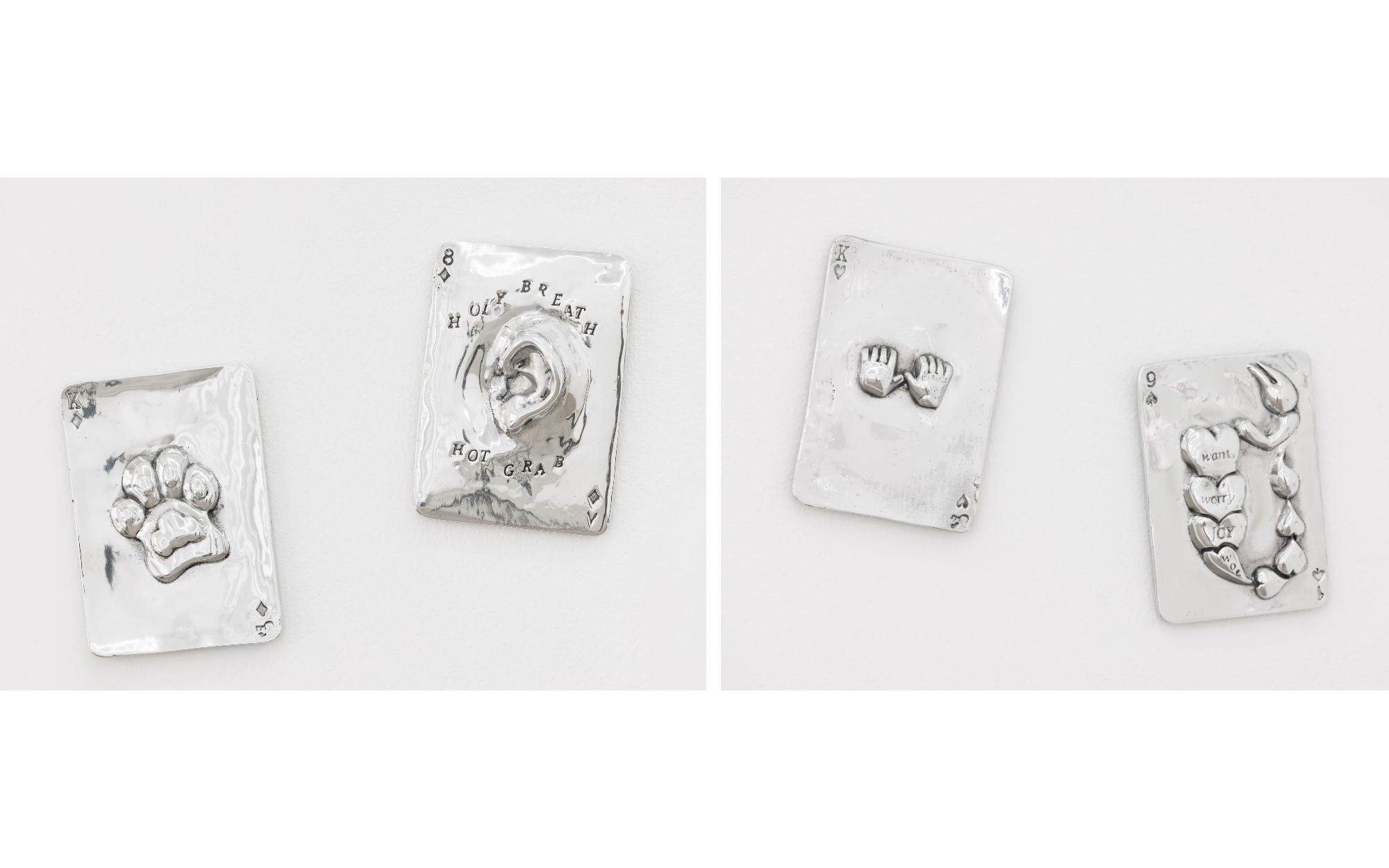
Since its founding in 2020, London’s Niru Ratnam has championed underrepresented voices, particularly women and artists of colour, creating a platform for work that interrogates identity, history, and cultural inheritance. At Abu Dhabi Art 2025, the gallery presented Jala Wahid’s Metaphysical Reunification series, where Mesopotamian artefacts—both archival and imagined—are recast in shimmering aluminium, collapsing temporal distances and transforming memory and diaspora into tactile, poetic form. Her playing-card sculptures probe authority, power, and the fragility of cultural continuity, inviting reflection on historical instability and the creative possibilities it generates. Through immersive installations, Wahid bridges past and present, imagination and inherited histories, revealing how narratives fracture, circulate, and reform over time. As Niru Ratnam and Georgia Griffiths (Gallerist and Director) observe, “Her practice opens powerful conversations about identity and heritage—dialogues that resonate deeply within this region. We’re proud to bring her bold and uncompromising voice to an international stage.”
3. Opera Gallery, Dubai
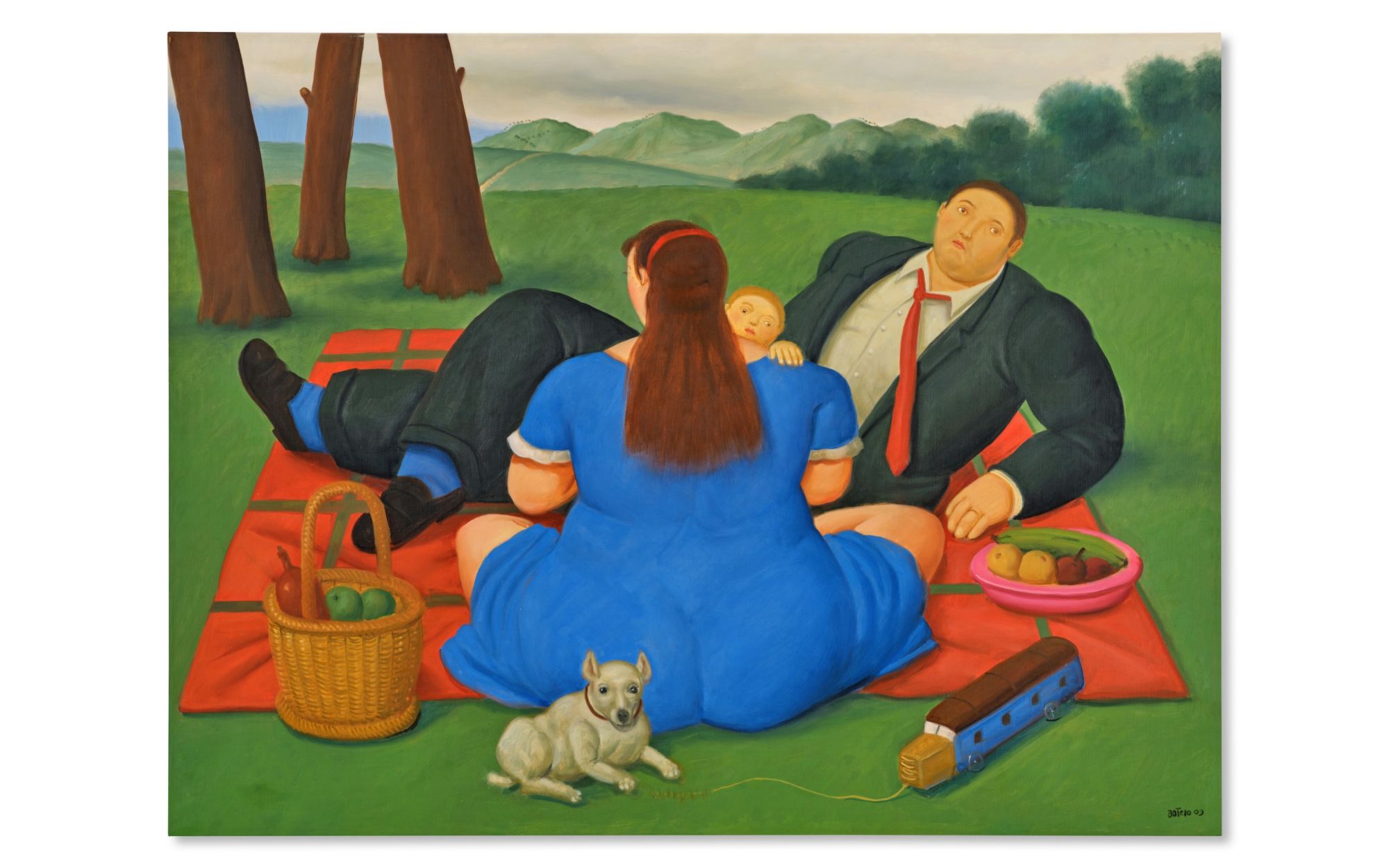
Part of a global network spanning New York, Miami, Aspen, London, Paris, Madrid, Monaco, Geneva, Dubai, Beirut, Hong Kong, Singapore, and Seoul, Opera Gallery Dubai has, for nearly three decades, championed Modern, Post-War, and Contemporary art through exhibitions, artist-led projects, public installations, and institutional collaborations. Its permanent collection of masterpieces is complemented by solo, group, and curated shows, while emerging artists are offered a platform to share visionary work with audiences worldwide. At the heart of the gallery’s programme is Fernando Botero, whose voluminous silhouettes carry poetic weight—magnifying emotion, elevating everyday rituals, and revealing humour, grace, and vulnerability. Botero’s presence has long shaped the gallery’s vision of art as a space of generosity, scale, and soul. He draws inspiration from a wide range of sources, from Renaissance masters such as Rubens and Velázquez to 20th-century Abstract Expressionists and Diego Rivera’s murals. His bulbous renderings of art historical figures are often interpreted as gestures of irony or playful caricature, balancing formal mastery with humour and narrative depth.
Also read: At The Crossroads Of Surrealism And Street: Abhay Sehgal Is Redefining Contemporary Indian Art
4. Perrotin, Paris
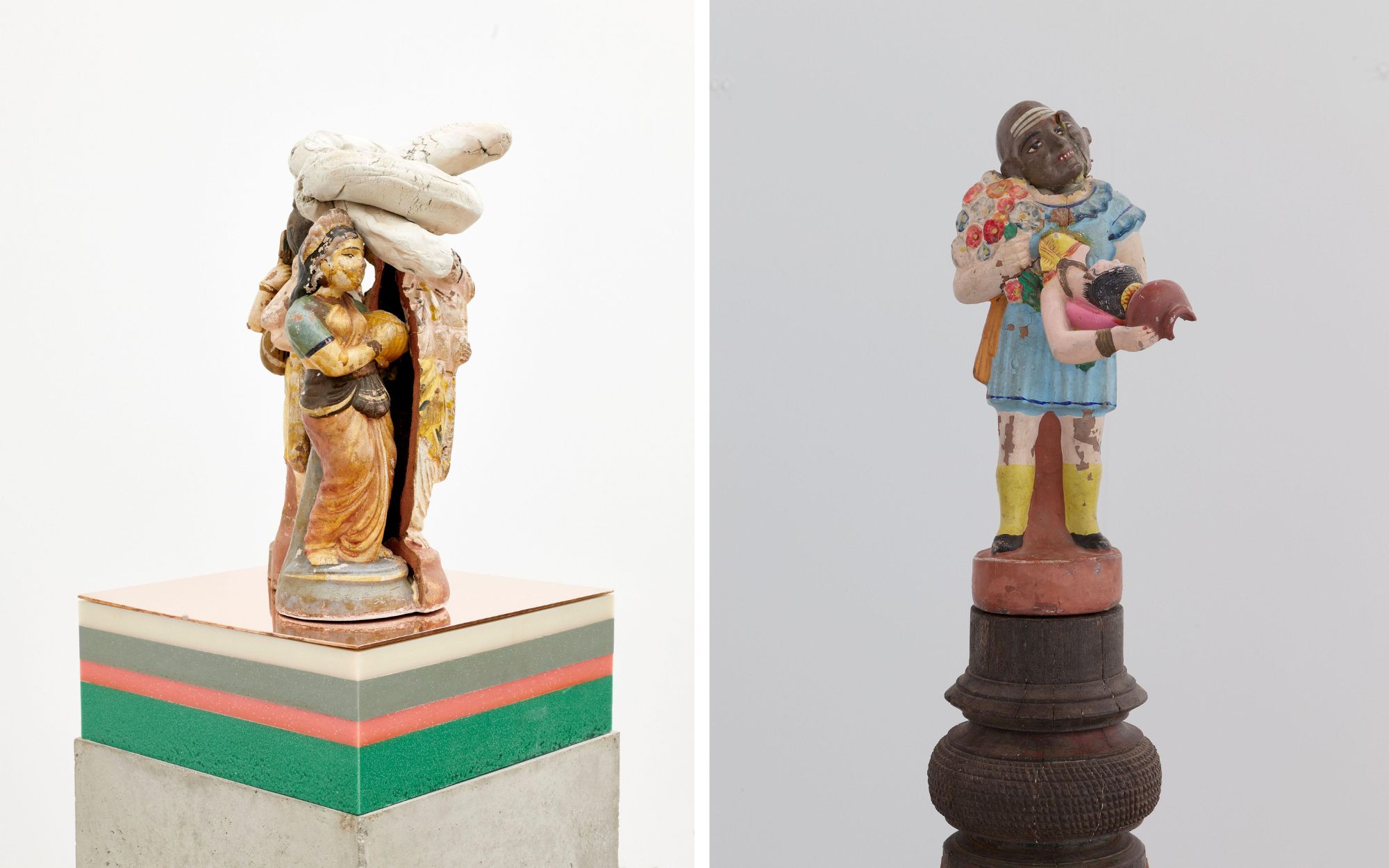
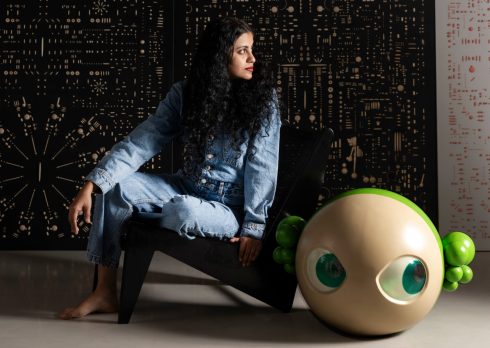
Emmanuel Perrotin founded his first gallery in 1990 at the age of twenty-one, laying the foundation for what would grow into a global network spanning New York, Hong Kong, Seoul, Tokyo, Shanghai, Los Angeles, and London. Perrotin Gallery has since become a platform for artists who explore myth, memory, and the human condition, showcasing work that is as intellectually rigorous as it is visually arresting. Among these works, Bharti Kher’s 25-year career—encompassing paintings, sculptures, and installations—exemplifies this vision. Her practice demonstrates a sustained engagement with animism, surrealism, and the experiential nature of the world. Her materials carry layers of meaning and transformation, often seeming to move with restless energy. Kher’s chimeras, mythical monsters, and allegorical works intertwine references that are simultaneously topical and traditional, political and poetic, immersing viewers in spaces where spirituality, femininity, and culture converge. “Abu Dhabi Art has clearly drawn a more international and engaged audience this year, with strong attendance throughout the fair,” Cecile Attal, Director.
5. SARAI Gallery, Tehran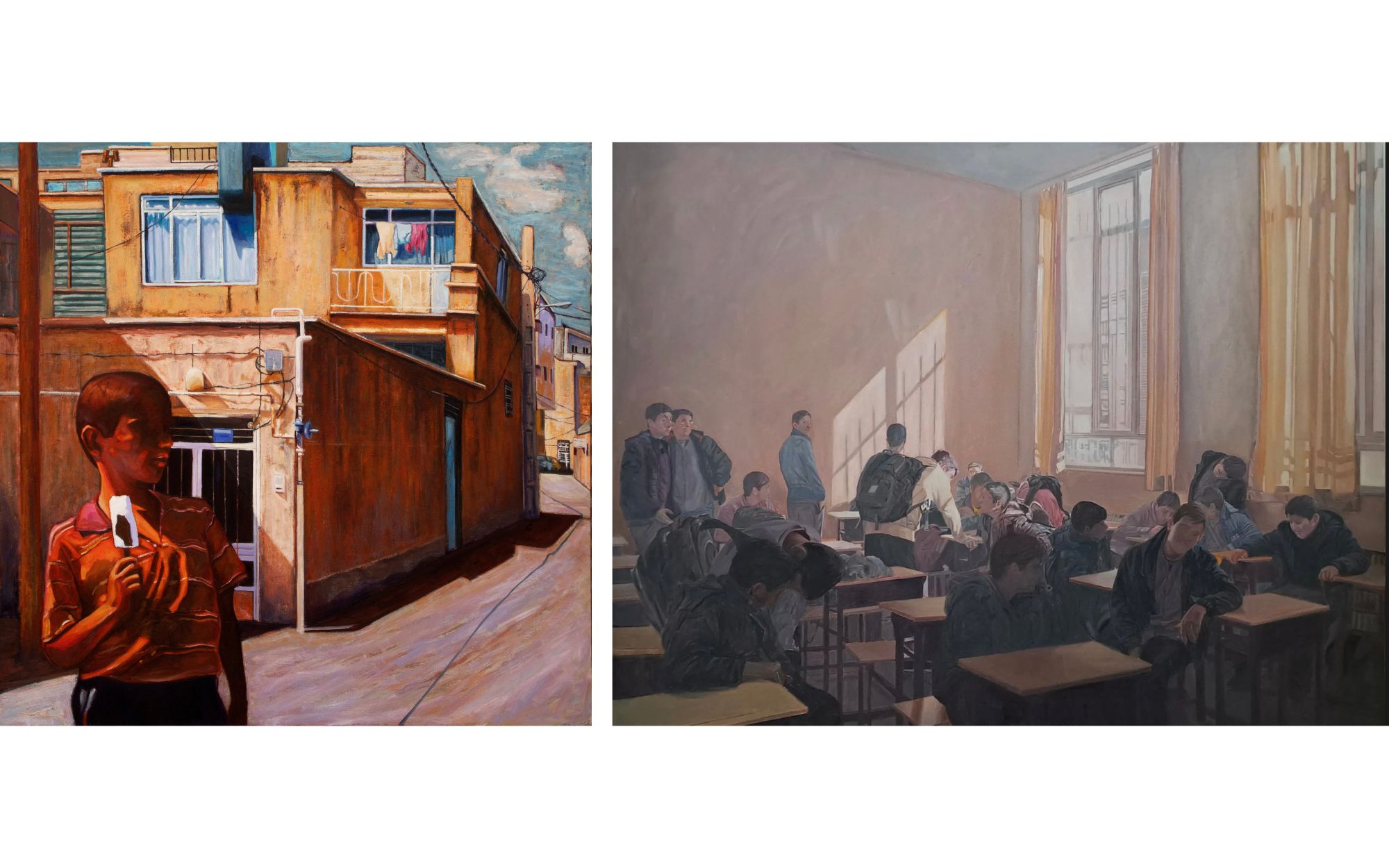
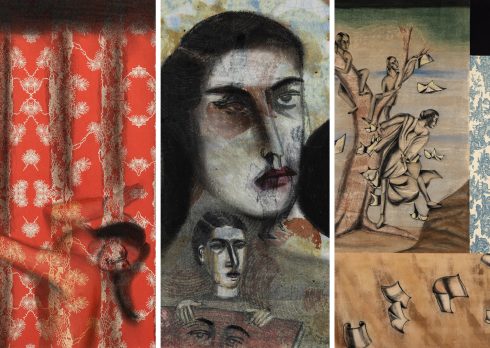
Left: Red Noon No 05 by Mehdi Chitsazha, oil on canvas, 150 x 150 cm; Right: We Keep Reviewing by Moslem Khezri, oil on canvas, 130 x 170 cm (Image Credits: SARAI Gallery)
SARAI Gallery in Tehran positions Iranian contemporary art within a global conversation, presenting works that resonate both locally and universally. Moslem Khezri captures intimate human gestures through quietly powerful figuration, while Mehdi Chitsazha traces the subtle urban rhythms of children and stray dogs navigating Tehran’s labyrinthine alleys. Together, their practices weave layered portraits of presence, absence, and community, transforming personal histories into reflections on memory, belonging, and social change. As gallerist Hassan Saradipour notes, he seeks artists whose work reflects “the complexities and lived realities of our region,” and bringing them together within a single booth generates “a compelling dialogue that reflects the evolving narrative of contemporary Middle Eastern art.” By connecting individual experience with the broader context of the fair, SARAI renews this conversation each year, integrating Iranian perspectives into universal human narratives and fostering cross-cultural engagement through art.
6. Sun Gallery, Seoul
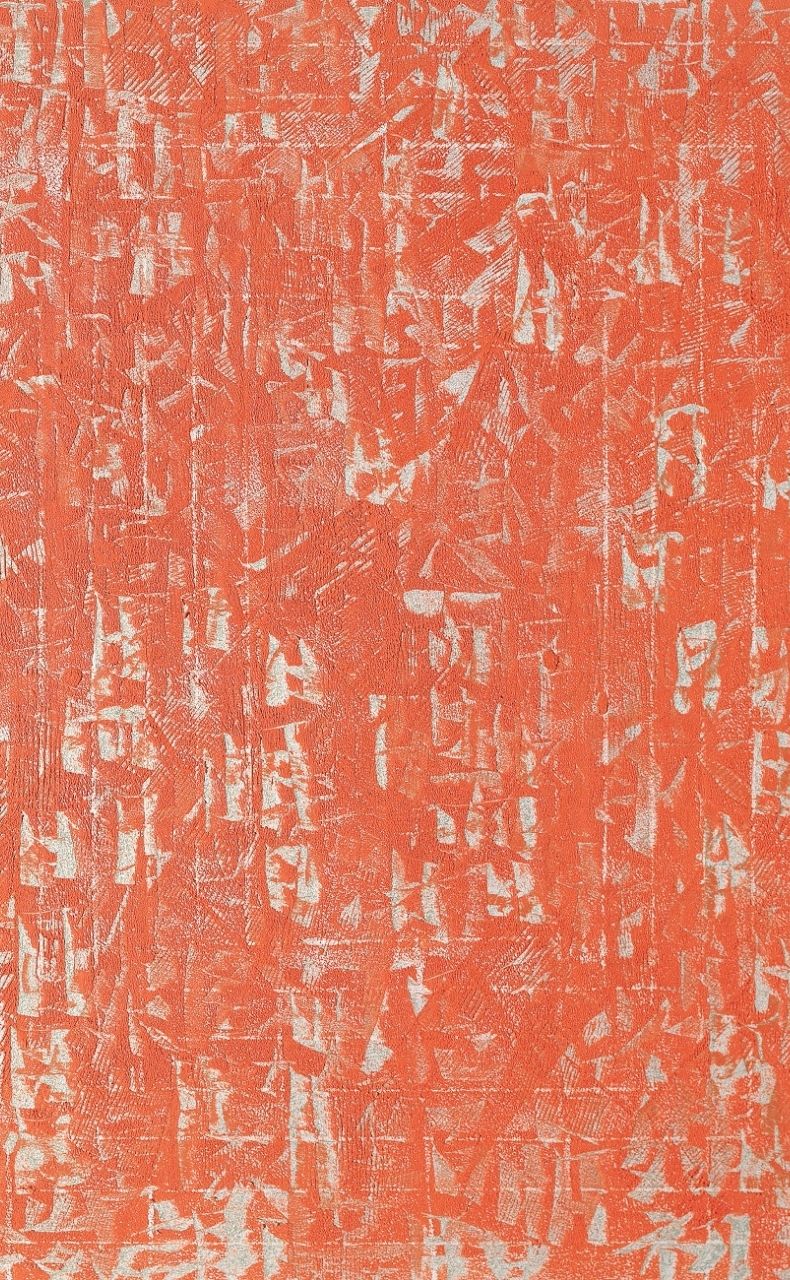
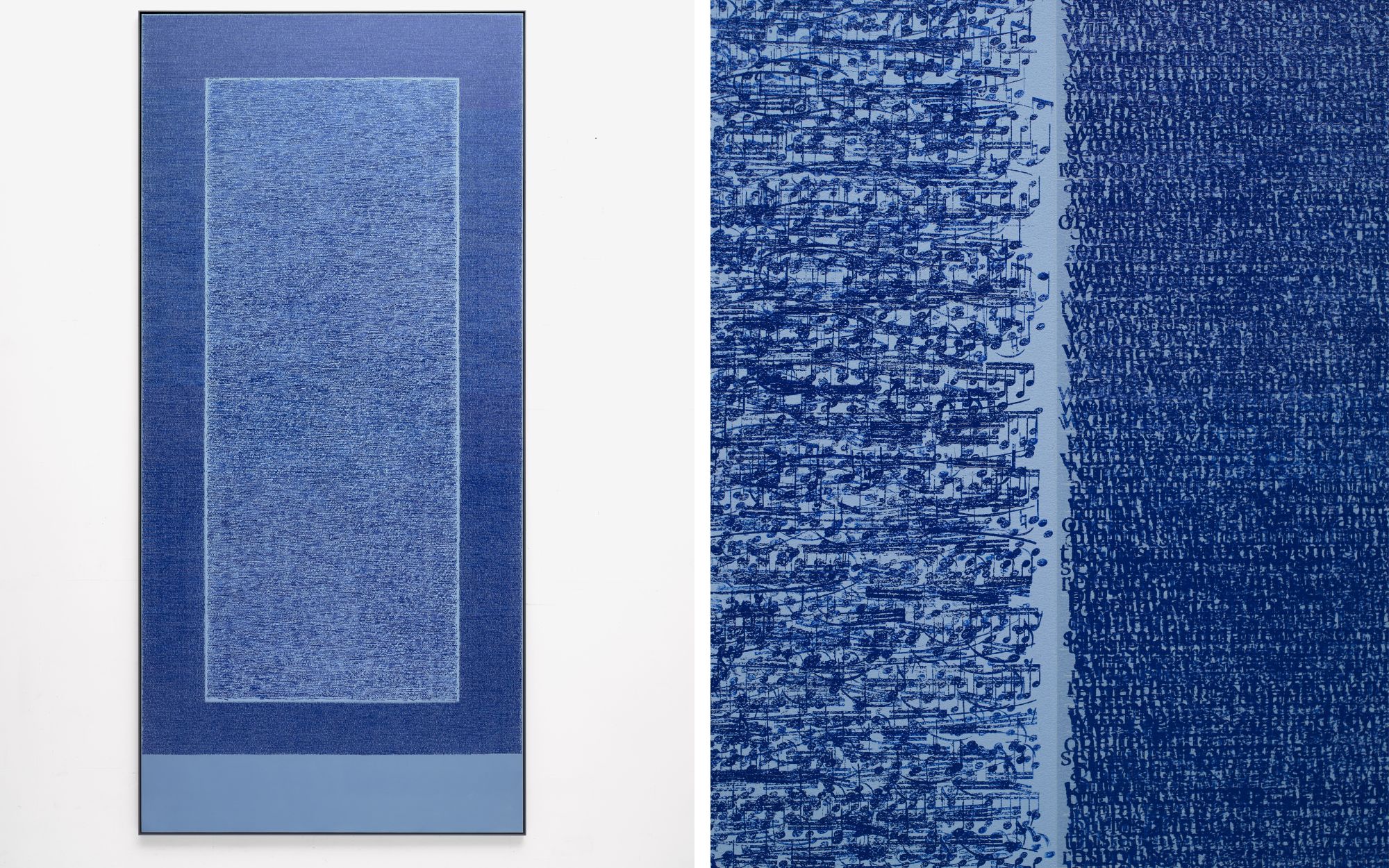
Since 1977, Sun Gallery has been at the forefront of Korean contemporary art, cultivating practices that merge material sensitivity with meditative introspection. Lee ChungJi’s monochromatic O series transforms simple tools—rollers, palette knives—into instruments of rhythm, carving characters and text into layered oil surfaces that pulse with intensity. Her works trace the contours of time, memory, and human presence, balancing minimalist restraint with profound emotional resonance. Director Hyekyung Won highlights how this distinctive approach has propelled ChungJi onto the international stage, from biennales to Frieze Seoul and Abu Dhabi Art, creating moments where the everyday becomes poetic. “Lee ChungJi is a pioneering figure who has developed her distinctive visual language over four decades. Since the 1990s, she has perfected a unique method of carving characters and text into oil paint surfaces with a palette knife rather than a brush. This primordial ‘writing’ technique fuses painting and calligraphy, inscribing life philosophies onto multilayered matière built through meticulous groundwork,” says Won.
Also read: Mazahir Hussain On Kashmiri Identity, Brown Bodies And Rewriting Orientalism
7. The 1897 Gallery, Lagos
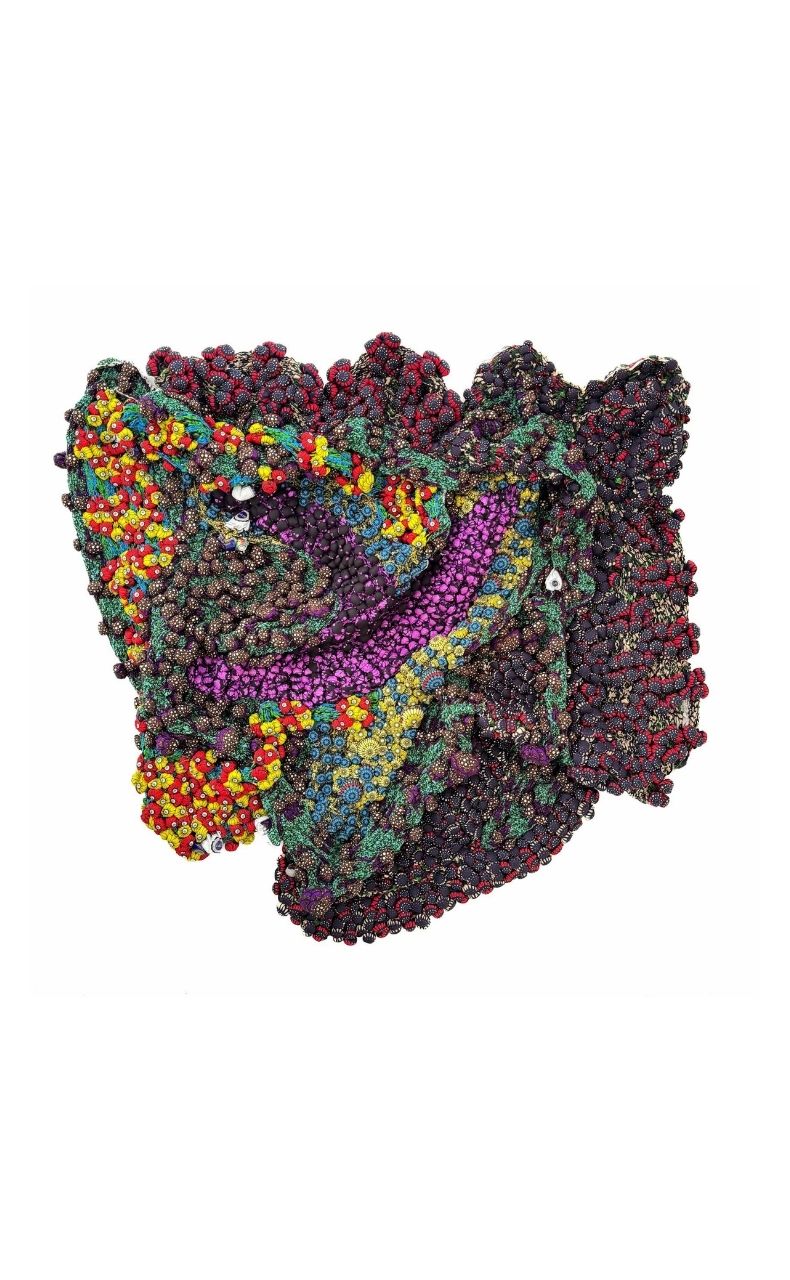
In collaboration with Nigeria’s Ministry of Art, Culture, Tourism, and the Creative Economy, The 1897 Gallery presents Samuel Nnorom’s practice as a lyrical exploration of memory, material, and human connection. The gallery itself moves like a nomadic constellation, linking Africa, its diaspora, and the wider world. Nnorom’s “bubbles,” suspended between sculpture, painting, and textile, recall his childhood amid his father’s shoes and mother’s sewing, while discarded Ankara fabrics transform into delicate constellations of memory, ritual, and kinship. A self-described “custodian of material culture,” he layers foam and fabric to evoke a “fabric of society,” where lives and social structures entwine. Ankara becomes a conduit for identity, belonging, and cohesion, and the bubble evokes both containment and passage—a visual metaphor for how stories travel, shift, and are held. As Sosa Omorogbe, Founder of The 1897 Gallery, notes, African narratives do not stand at the margins but move through global culture as shared sensibilities; in her words, “African stories are not peripheral; they are part of the world’s shared emotional language.”