From Nigeria To Seoul (Part One): A Journey Through The Top Galleries At Abu Dhabi Art 2025
Abu Dhabi Art 2025 at Manarat Al Saadiyat feels like a conversation with the world, where art tells stories of intimacy, poetry, and unexpected connections.
- 10 Dec '25
- 1:52 pm by Sana Krishna

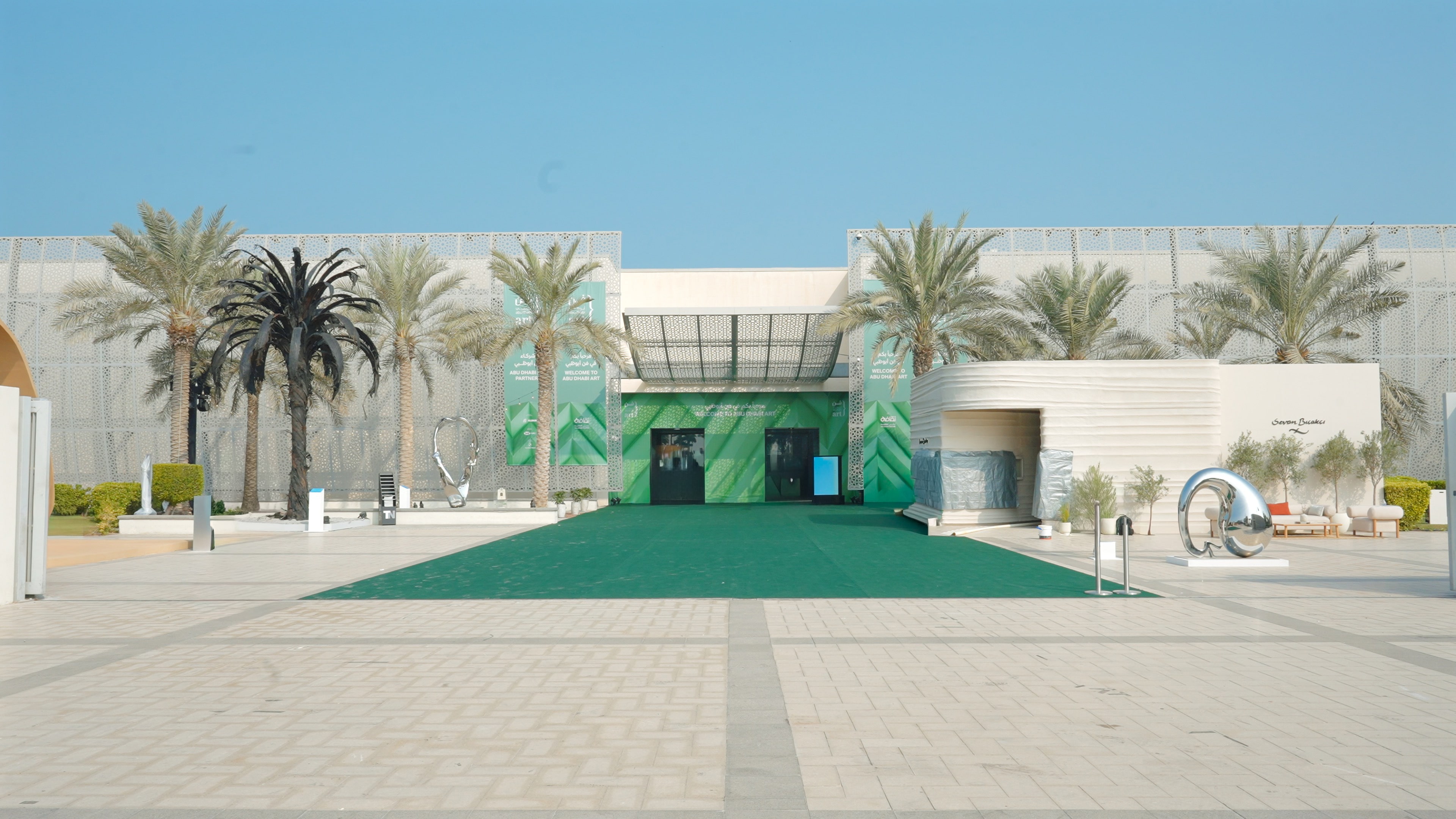
Before the year could fold into winter, Abu Dhabi staged a finale that felt less like a conventional art fair and more like a gathering of worlds. Under the patronage of His Highness Sheikh Khaled bin Mohamed bin Zayed Al Nahyan, Manarat Al Saadiyat became a space where time seemed to bend. From 19th to 23rd November 2025 the world saw ideas, history, and voices converge. At the helm, Fair Director Dyala Nusseibeh orchestrated the 17th edition, welcoming over 140 galleries from 52 cities across 37 countries. Yet, the real pulse of the fair was not in the numbers; it flowed through the themes and the conversations they ignited. This year, that current carried us across Nigeria, the Gulf, and Turkey. Looking ahead, the fair stands on the cusp of transformation. With Frieze set to take over and rebrand the event as Frieze Abu Dhabi in 2026, Nusseibeh notes that the shift will usher the fair into a broader, more global dialogue—one shaped by Frieze’s networks, reach, and curatorial expertise. What follows is more than a list: it is a journey through works that delight the eye, stir the mind, and, at moments, touch the heart. This is part one of our selection, featuring the seven galleries to watch.
Also read: Art Confidential: Abhinit Khanna On Playing The Long Game When Collecting
- Aisha Alabbar Gallery, Dubai
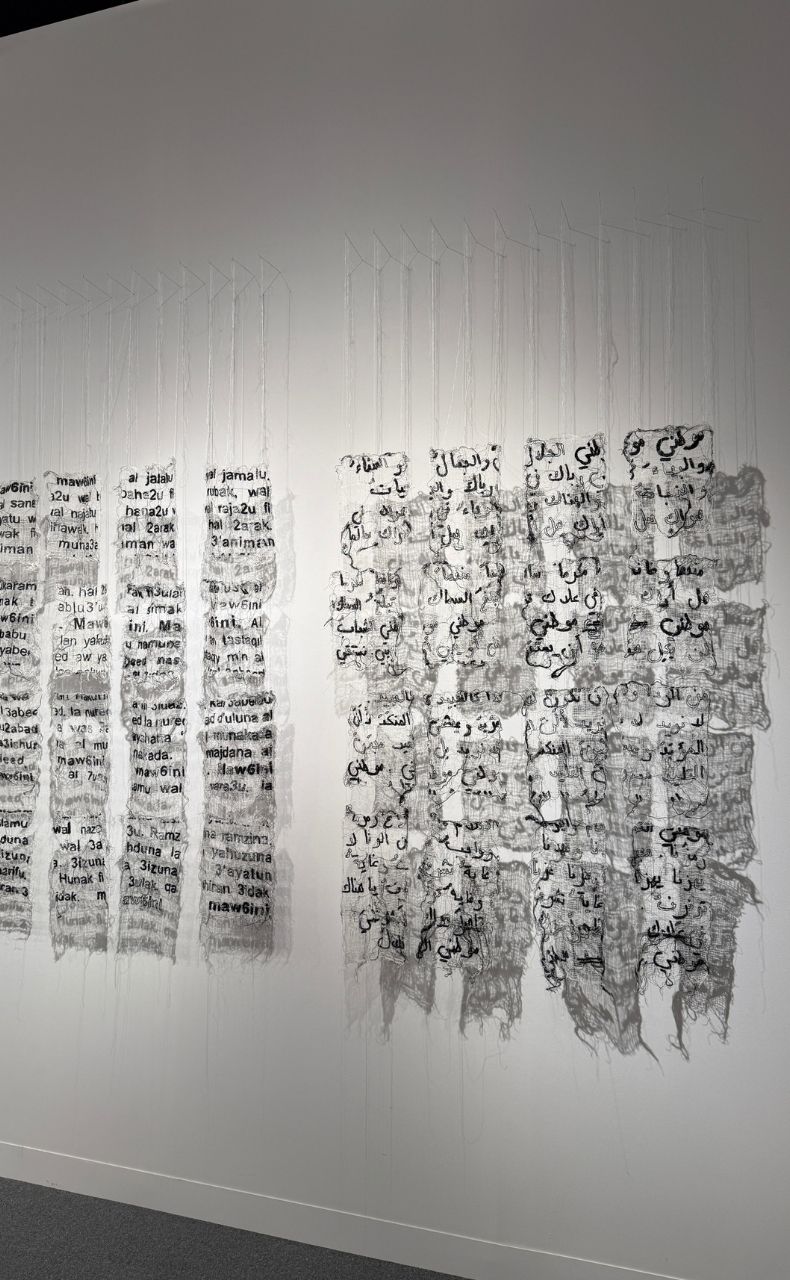
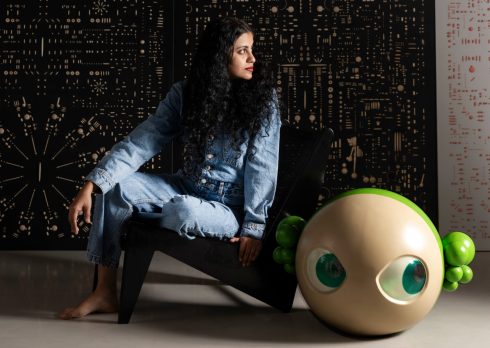
Refraining from the typical rhythms of a conventional gallery, Aisha Alabbar Gallery has, since 2018, cultivated a sensibility rooted in Dubai yet attentive to global currents—a space where material inquiry, cultural memory, and perceptual experimentation intersect. Within this ethos, Samar Hejazi’s practice takes shape through textiles, sculpture, and installation, each work meticulously composed to create environments in which light, shadow, and movement unsettle the boundaries of perception. Her pieces inhabit a terrain that is tactile and poetic, drawing viewers into encounters where memory is not recalled but lived. By probing the thresholds between what is seen and what is sensed, what is inherited and what is reimagined, Hejazi shapes multidimensional realms in which understanding emerges slowly, through presence and attentiveness.
2. Galerie ISA, Mumbai
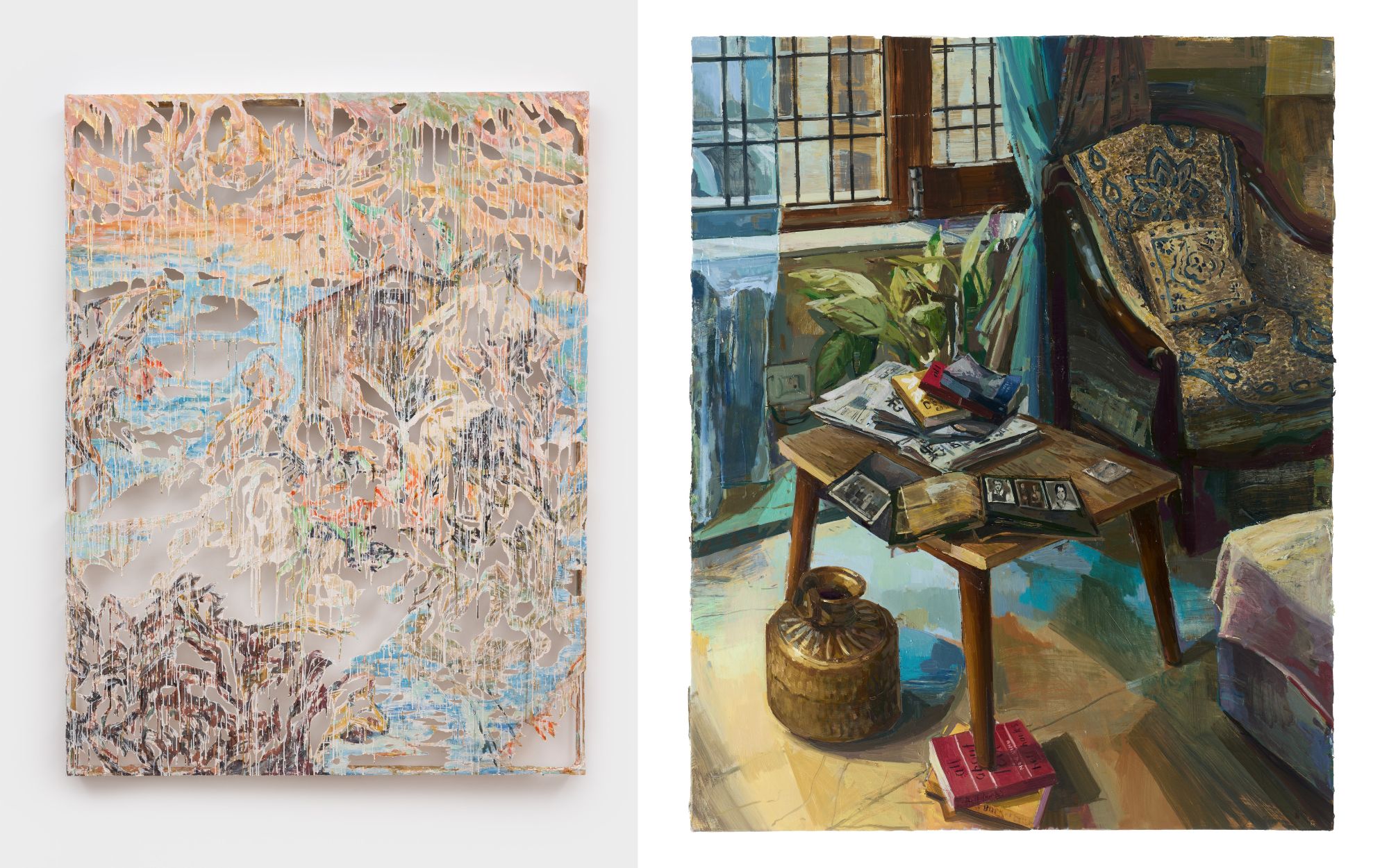
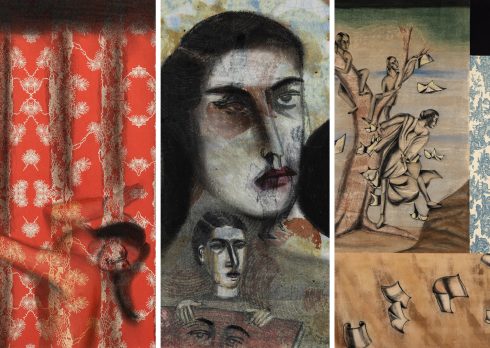
Mumbai’s Galerie ISA moves less like a gallery than a quiet conductor—bringing disparate artistic voices into resonance, allowing material and narrative to vibrate against one another in unexpected ways. Diana Al-Hadid’s molten, ethereal structures summon layered histories and migrations, while Ricky Vasan’s figurative paintings trace the delicate topography of intimacy, nostalgia, and fleeting gesture. Together, their works transform the gallery into an immersive terrain where personal stories, cultural memory, and shared experience converge. In weaving memory, domesticity, and sculptural form into its programming, Galerie ISA situates contemporary art in India within both local and global conversations, inviting viewers to reflect on time, materiality, and the emotional charge of visual culture.
3. Galleria Antonio Verolino, Modena
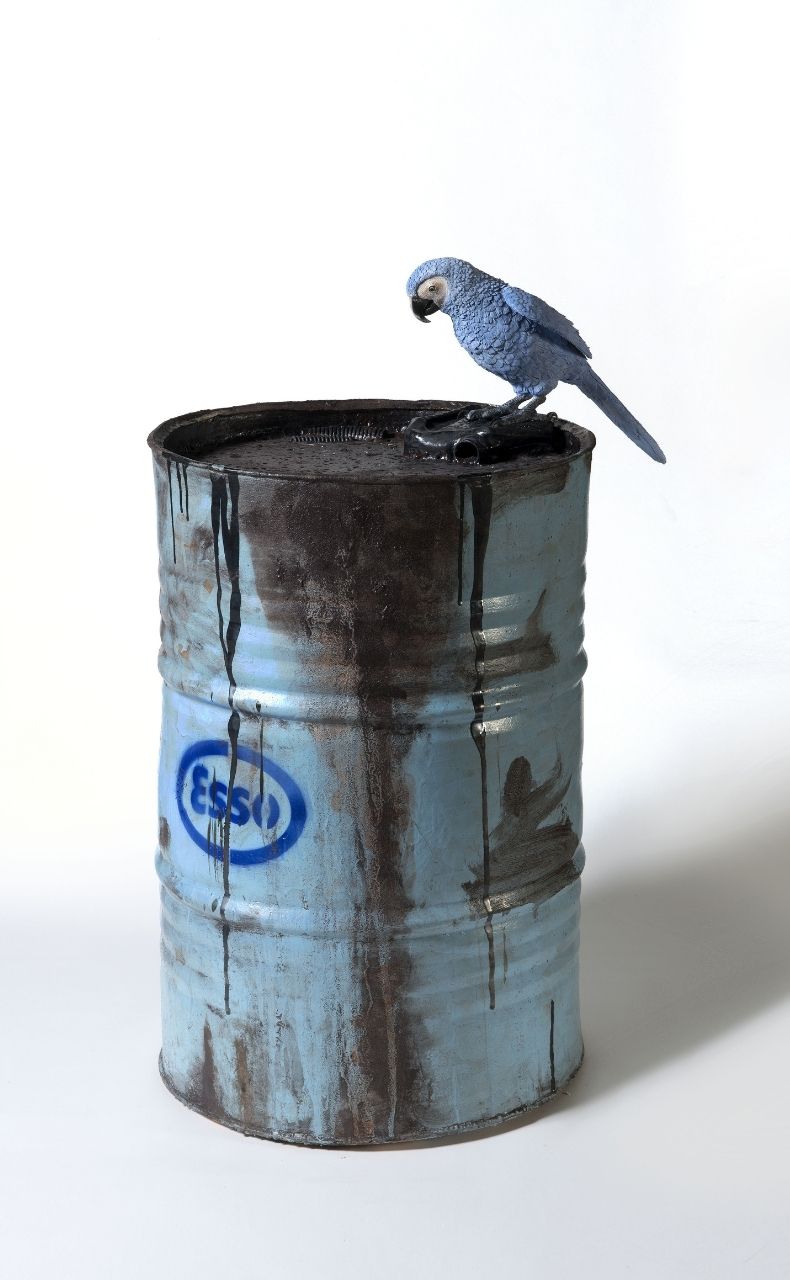
Far from a conventional white cube, Galleria Antonio Verolino in Modena serves as a meeting ground where inherited craft and contemporary inquiry intersect, with a particular emphasis on elevating tapestry as a dialogue between artistry and technique. This ethos finds resonance in Bertozzi & Casoni, who long before their works reached museums and biennales from Venice to New York, were two young artists in Emilia-Romagna exploring the expressive possibilities of clay and colour at the Ceramic Art Institute of Faenza and the Academy of Fine Arts in Bologna. Forming their partnership in 1980, they transformed ceramics into painted sculpture and helped define the emergence of “new ceramics.” From early polychrome majolica to ambitious large-scale projects, their works fuse industrial materials with hyperrealist meditations on vanitas and contemporary life, reflecting the gallery’s commitment to material innovation and conceptual depth.
Also read: The Ultimate Gallery Guide To Mumbai (Part 2): 7 Must-Visit Art Spaces
4. Galleria Continua
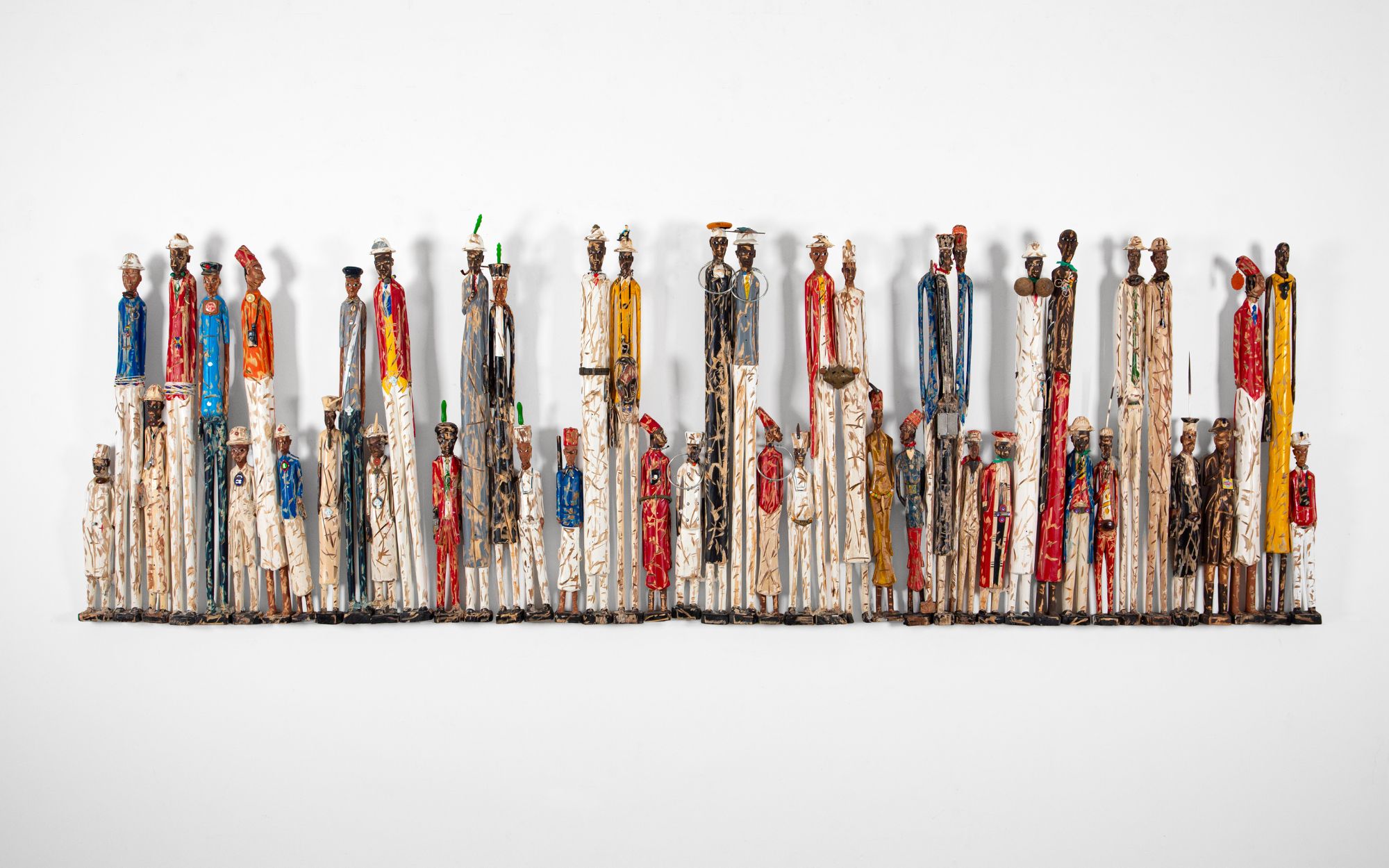
(Image Credits: Photographer Duccio Benvenuti/Art Store © ADAGP, Paris 2025, Pascale Marthine Tayou, and Galleria Continua)
Galleria Continua began in 1990 with a simple but ambitious aim: to create a continuous thread for contemporary art within a landscape steeped in history. From its origins in a repurposed cinema, it has grown into a global network-Beijing, Les Moulins La Habana, Rome, São Paulo, and Paris—each space a laboratory for intercultural dialogue, experimentation, and ambitious large-scale projects. Pascale Marthine Tayou, who moves fluidly between Ghent and Yaoundé, embodies the gallery’s ethos of openness: his practice spans sculpture, installation, drawing, and video, tracing histories, memory, and the tangled web of global interconnection. Engaging with colonial legacies, historical trauma, and the nuances of human experience, Tayou transforms personal and collective narratives into works that cross boundaries and invite reflection, echoing Galleria Continua’s vision of art as a space for expansive cultural exchange. As Founder Lorenzo Fiaschi notes, Tayou’s practice radiates “radical hospitality: it welcomes the world as it is—joyful, violent, contradictory—and returns it as poetry.”
5. Gateway, Issam Kourbaj, Syria/UK
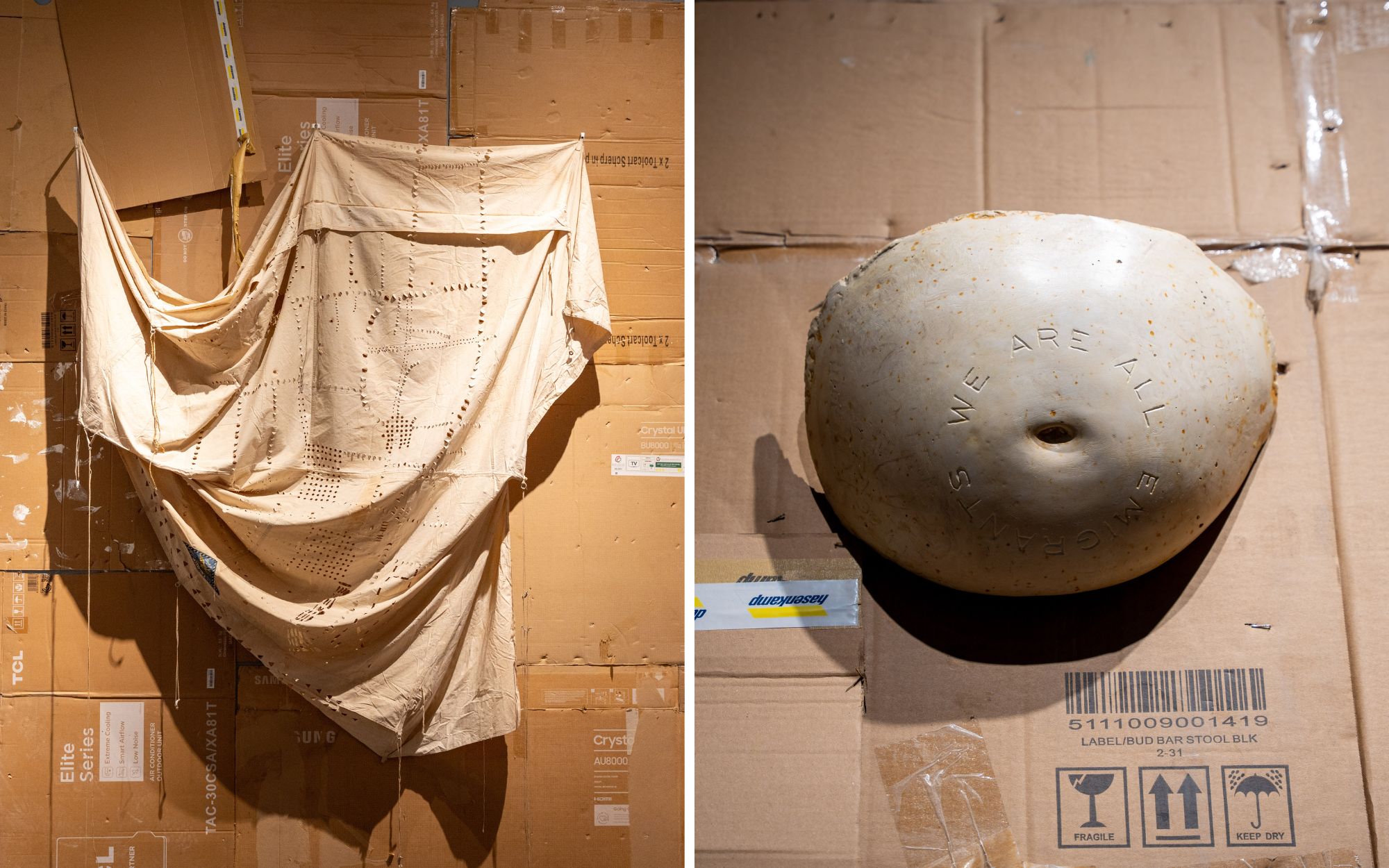
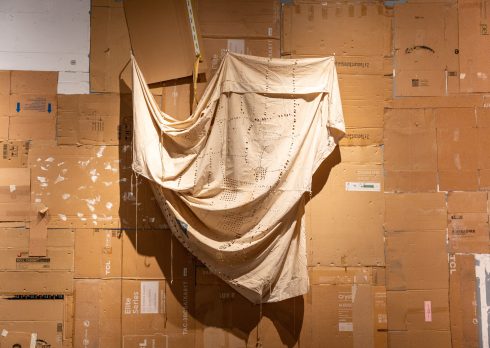
Gateway is the fair’s annual curated exhibition. This year, it welcomed Syrian artist Issam Kourbaj, both a conceptual artist and curator. Kourbaj’s work offered an intimate entry into his lifelong search for “home.” Although he has lived in Cambridge since 1990, Syria—its landscapes, tenderness, and wounds—still courses through every vein of his being. That ache gathers power in The Map of Absence, where a perforated 1960s Butka Falcon camping tent becomes a fragile cosmos of memory: tiny punctures trace the map of his Suweida neighbourhood drawn by his brother, while a single charred circle marks the family home—a reminder of all that cannot be returned to, yet refuses to release him. The same emotional current runs through We Are All Emigrants, a plaster cast of a pregnant woman’s abdomen that reimagines the womb as both sanctuary and point of departure, suggesting that displacement is not only the burden of the exiled but a universal inheritance—our first lesson in leaving. In Kourbaj’s hands, grief becomes almost sacred; his art offers a space where loss can breathe, memory can rest, and the longing for home becomes something shared, human, and tenderly devastating.
6. Lawrie Shabibi, Dubai
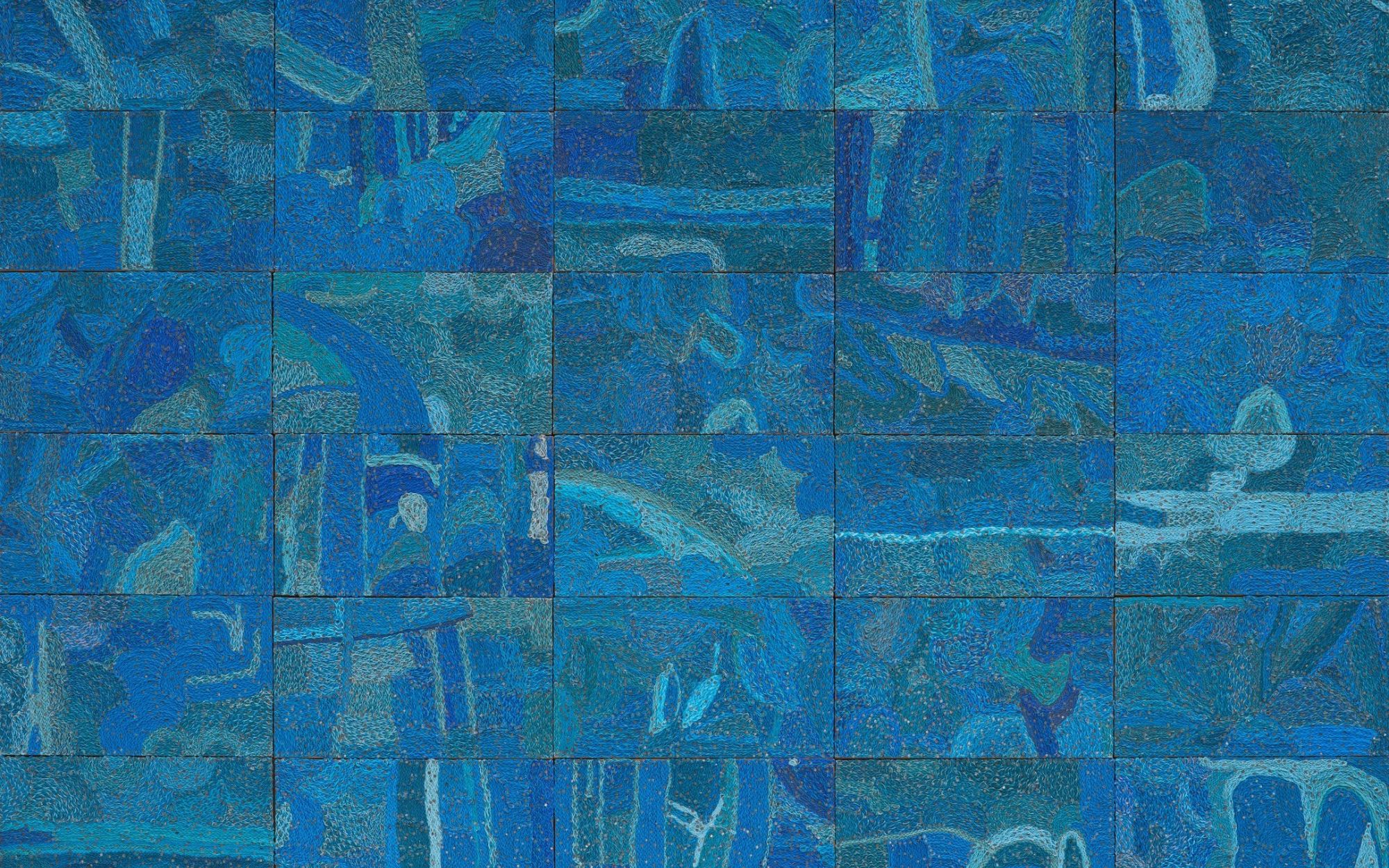
Where others may see waste, Elias Sime sees possibility. At Lawrie Shabibi, a gallery devoted to amplifying voices from the Global South, Sime transforms microchips, cables, and industrial material into intricate, immersive compositions—part aerial landscape, part circuitry, part living topography—revealing the hidden rhythms of contemporary life. Born in Addis Ababa in 1968, he has exhibited widely, from the Venice Biennale to the Metropolitan Museum of Art, and co-founded the Zoma Museum and Zoma Village, where art, architecture, and community converge. As William Lawrie, Co-Founder of Lawrie Shabibi, observes, “Elias Sime’s work explores the tension between order and movement. His careful use of electronic components reveals a structure rooted in connectivity and interaction. Rather than offering a broad reflection on modern life, his pieces focus on how technology shapes human creativity and affects the natural world, showing both the possibilities and consequences of technological progress.”
7. Leila Heller Gallery, New York
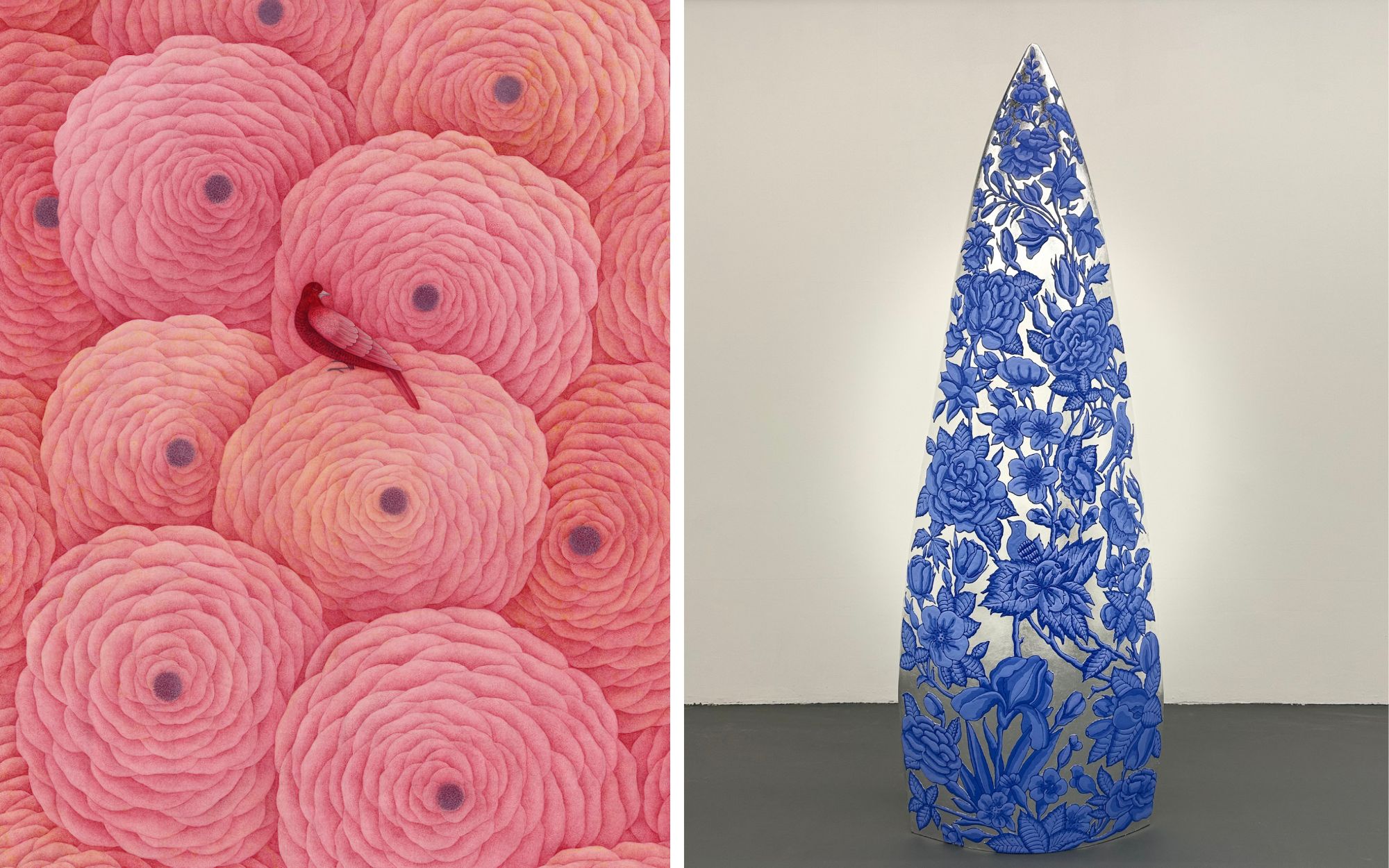
Drawing on centuries of Persian symbolism, Maryam Lamei and Morteza Darehbaghi transform tradition into contemporary reverie at Leila Heller Gallery. Lamei’s work traces the spiritual dialogue between Lover and Beloved, using birds and flowers to evoke an inner journey from self-emptying to unity—a quiet return to the essence of being where boundaries dissolve. Darehbaghi reimagines the cypress tree, long a symbol of resilience and immortality in Iranian art, translating traditional motifs into sculptural forms that bridge past and present while reflecting his search for a global artistic identity. Their works invite viewers into spaces where poetry, spirituality, and visual art converge. As gallerist Leila Heller observes, “The fair has long been a cherished platform for the gallery, and audiences responded warmly to both artists’ contemporary interpretations of the enduring Golo Morgh (rose and nightingale) tradition, central to Persian creative thought for centuries.”