How Design POV Is Reimagining India’s Creative Landscape
Design POV, founded by Asif Sataar and Gagan Bhatia, redefines India’s design landscape, merging experimentation, dialogue, and culture into an immersive fair that celebrates authenticity over convention.
- 14 Oct '25
- 12:58 pm by Crew

Design is a radical act of reimagining what’s possible, of taking the mundane and making it transcendent. It challenges every assumption until something entirely new emerges. When Asif Sataar and Gagan Bhatia of Totality Solutions* decided to do things differently, this was their primary thought: to stop following conventions. The result is a design fair eschewing static displays, while reflecting the future of Indian design.
Also Read: At Jia Curated 2025: 5 Stellar Highlights Exploring The Intersection Of Craft, Design, And Culture
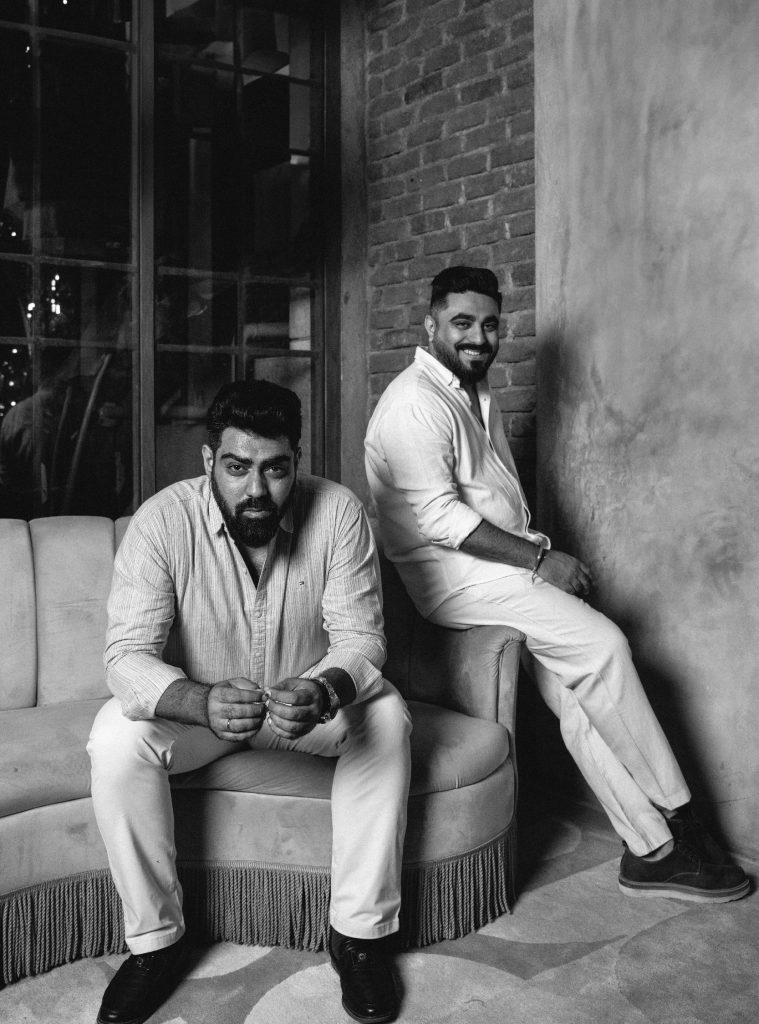
Design POV didn’t begin in boardrooms or with market research first. It was born from their personal experience, a gap they noticed when they witnessed boundless possibilities constrained by ordinary formats. They saw meaningful conversations get lost in commercial noise, only blooming in private encounters or coffee conversations.
“The idea came from countless conversations with architects and interior designers,” reflects Gagan. He adds, “We wanted to escape routine design events by creating something bold, something that would allow the industry to actually experiment with their aptitude.” This wasn’t about just improving industry standards; it was about breaking conventions that had kept the country’s design community limited to predictable patterns.
The platform had no precedents or safety nets. “When we began imagining it, there was no set structure,” shares Asif. He adds, “There was risk in every aspect. We were betting everything on the belief that India’s design community wanted something authentic and refreshing, something that celebrated their craft more than the inevitable commerce attached to it.”
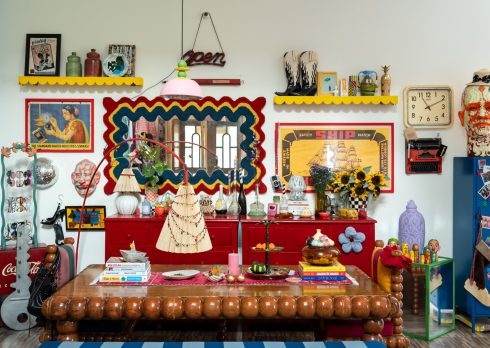
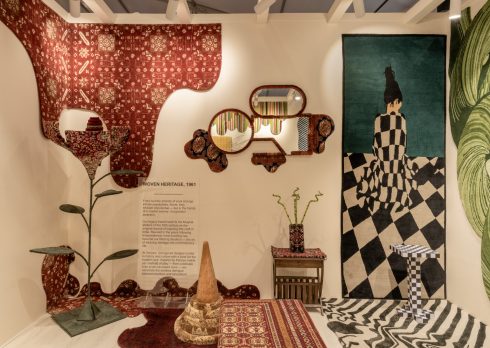
With space almost as much as most Mumbai homes, each studio in ‘The Core’ was asked to narrate its story without compromise. The execution of the inaugural platform was less about perfect planning and more about improvisation when it came to the launch day, with immediate challenges.
The application process itself became a manifesto: instead of asking designers to fit into predetermined booths, they had to create immersive experiences. Problems emerged daily: timelines were compromised, registration bands ran out (an unexpected and overwhelming response to the show), and the delicate orchestration of ambition met the harsh realities of logistics.
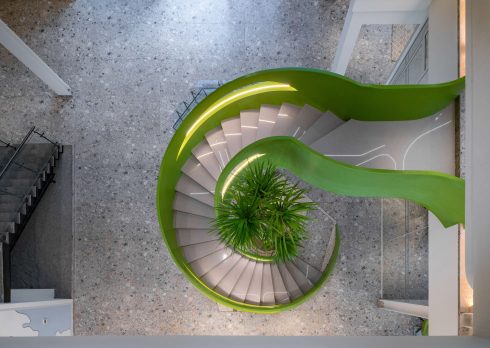
Many questioned the logic. How do you quantify return on investment when the investment is so dynamic? “Unlike first-time shows, we decided early that we wouldn’t do this small,” says Gagan. The Jio World Convention Centre was picked for its international acclaim and the iconic statement attached to it. It served as the perfect backdrop, showcasing the fair’s art, installations, and immersive ethos, and bringing each studio’s narrative vividly to life.
Also Read: Design Shanghai 2025 Champions Human-Centric Design At Its 12th Edition
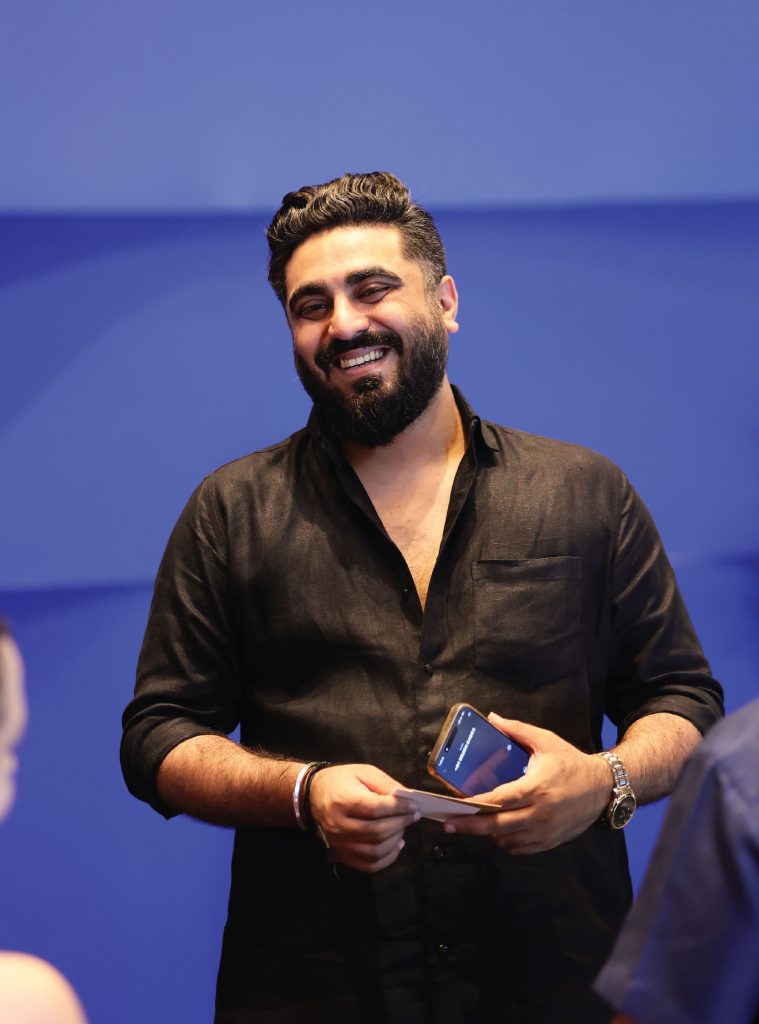
“When we were organising Design POV, we promised quality. We assured the participants that the audience that attended would be astute,” remarks Asif. He adds, “While we didn’t expect or commit to a large crowd, we were pleasantly surprised with over 7,000 visitors in just three days.”
Also Read: The Second Chapter: Design Mumbai 2025 Opens Its Doors To Global Vision And Indian Ingenuity
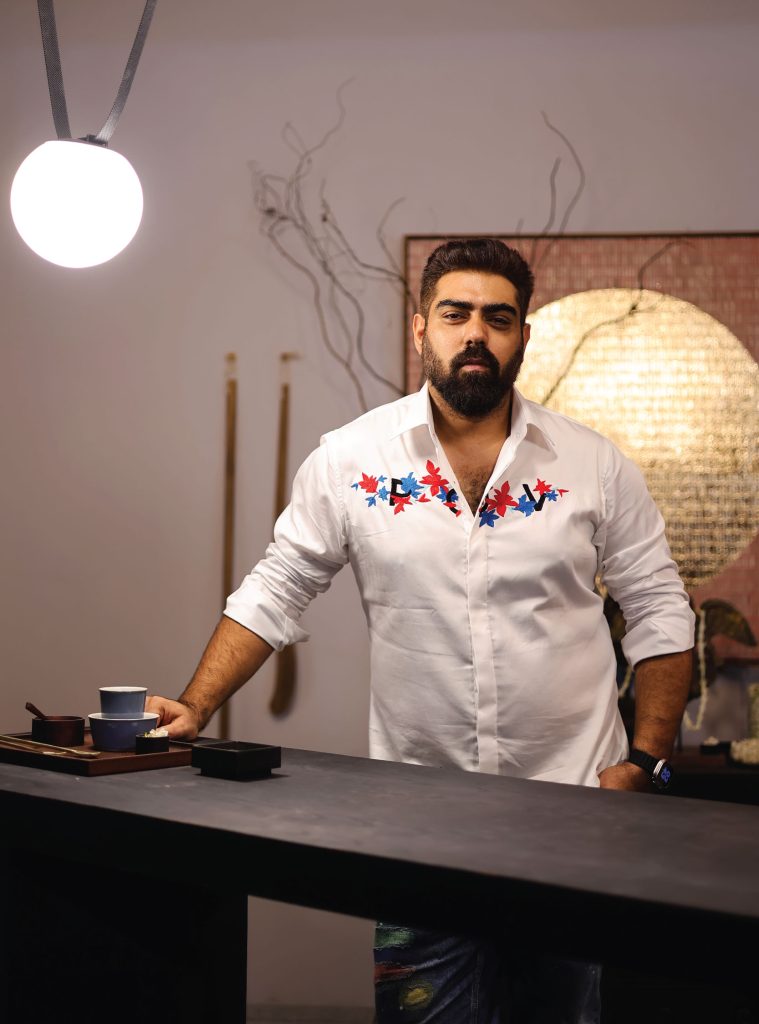
The participating brands were central to the show, whose collaborations reflected the fair’s experiential and creative ethos. They co-designed the spaces, lending their products to the studios’ creative visions, while also going a step further with POV Originals. The Core and these home, décor, and lifestyle brands together personified bold, eccentric design hypotheses.
“Building Design POV was intimidating, to say the very least,” shares Gagan. But proving its quintessence and ethos were far more important. The overwhelming response from critics and discerning audiences validated what the duo suspected. India was finally ready for a platform that treated design as culture and showed up.