
Design Shenzhen 2025 Shapes The Future Of Urban Living Through Design And Technology
Design Shenzhen 2025 converged technology, design, and lifestyle, showcasing immersive installations, curated programs, and dialogues that redefined urban living, sustainability, and the future of human-centric innovation.
- 6 Oct '25
- 6:31 pm by Simran Almeida

Design has the power to shape a city’s identity. Consequently, once a modest market town of 300,000 on the Pearl River Delta, Shenzhen established itself as a thriving city with technological innovation while fostering a vibrant ecosystem of art, culture, and design. This vivacious synthesis of creativity and evolution is embodied through a landmark show, Design Shenzhen, that converges technology, design, and lifestyle to chart the city’s evolving narrative. Positioned against the rich cultural backdrop of the Greater Bay Area, this event’s third edition was held in the Shenzhen Convention & Exhibition Centre earlier this month, reaffirming its status as Asia’s eccentric platform.
With over 36,000 professional visitors, it transformed the centre into a crucible of innovation, where design and technology coalesce to shape new narratives for contemporary living. Design Shenzhen 2025 spanned across two halls and three expansive sections with nearly 200 brands from over 20 countries and regions.
Also Read: At Jia Curated 2025: 5 Stellar Highlights Exploring The Intersection Of Craft, Design, And Culture
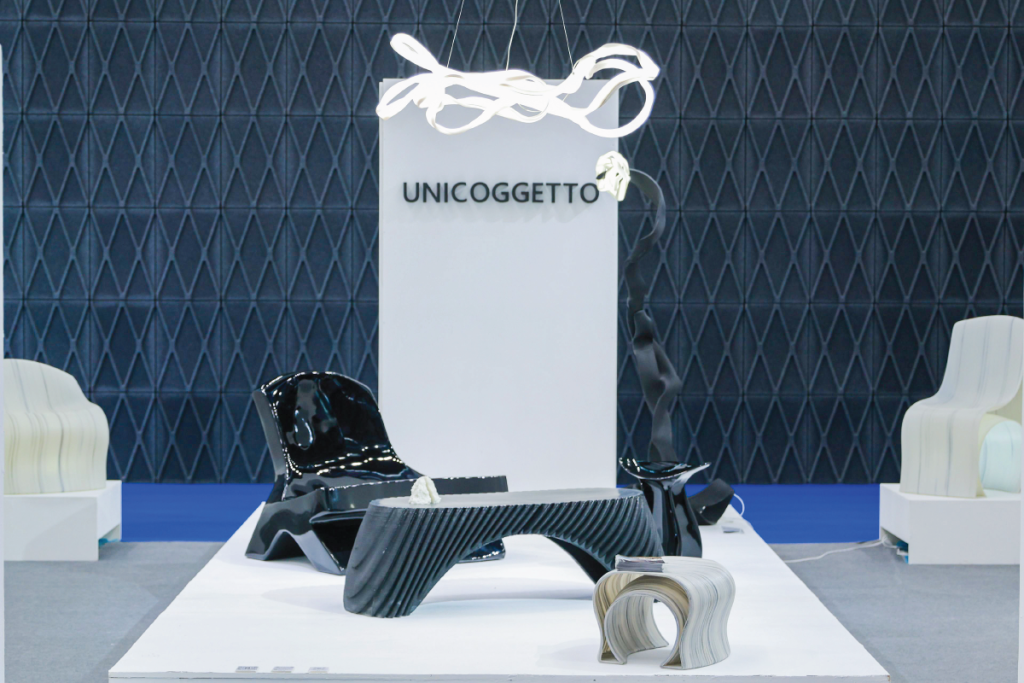
Metamorphosis in Urban Identity
Nestled in proximity to Hong Kong’s financial crucible, it was catapulted into industrial prominence as China’s first Special Economic Zone in 1980, swiftly earning the moniker ‘Silicon Valley of China.’ In 2008, Shenzhen became China’s first city to join the UNESCO Creative Cities Network as a ‘City of Design.’ Since then, the city has cultivated a vibrant creative ecosystem, with initiatives such as Shenzhen Fashion Week, the Bi-City Biennale of Urbanism/Architecture, and a Victoria & Albert Museum outpost in Shekou emerging as key catalysts for design and cultural innovation in the region. In the ensuing decades, Shenzhen has risen to the status of a global megacity and technological giant, attracting vast amounts of domestic and foreign capital while incubating trailblazing enterprises from its prolific electronics bazaars. “The event will help brands seize market opportunities while injecting creative vitality into the city,” shares Raymond Wang, Event Director of Design Shenzhen.
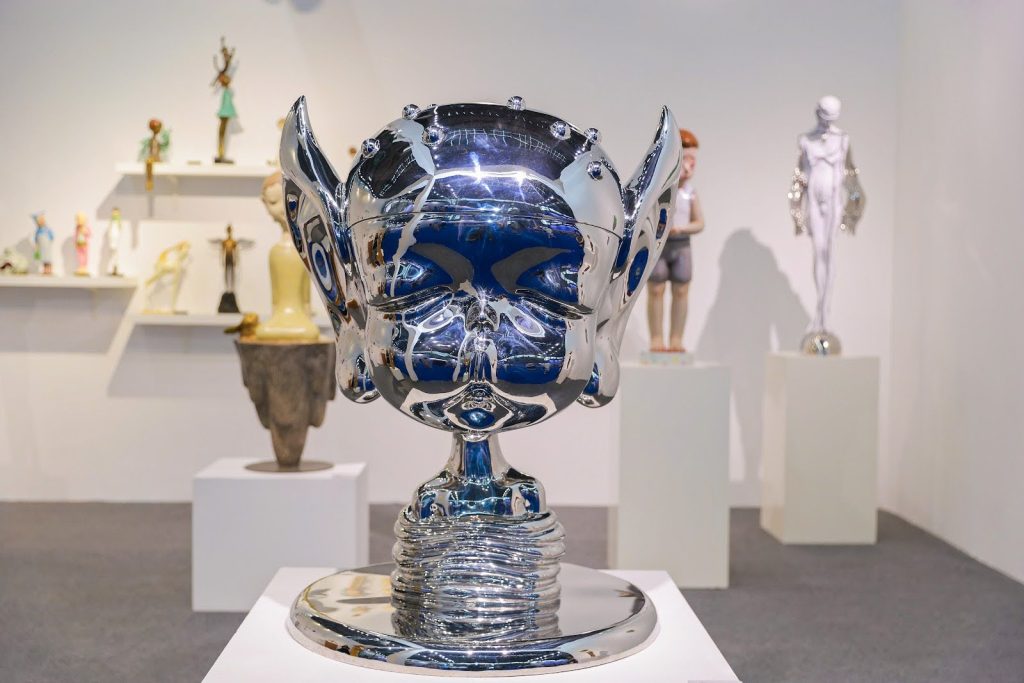
Blending Technology And Design
Design Shenzhen 2025 unveiled a pioneering layout spanning two halls and three core sections, viz Consumer Technology, Luxury Home Design and Commercial Design, enabling attendees to transition seamlessly from smart home technology to high-end interiors and commercial environments. Some of the show’s highlights focused on the avant-garde approaches and distinct solutions. The event hosted a duet of flagship conferences, with over 120 thought leaders from design, technology, and business engaged in conversations about the future of design. Together, these programmes presented a holistic vision of how technology and design are reconfiguring the built environment, from intimate residences to public and commercial spaces, embedding innovation into every facet of contemporary life.
Also Read: Must-See Moments At The London Design Biennale 2025
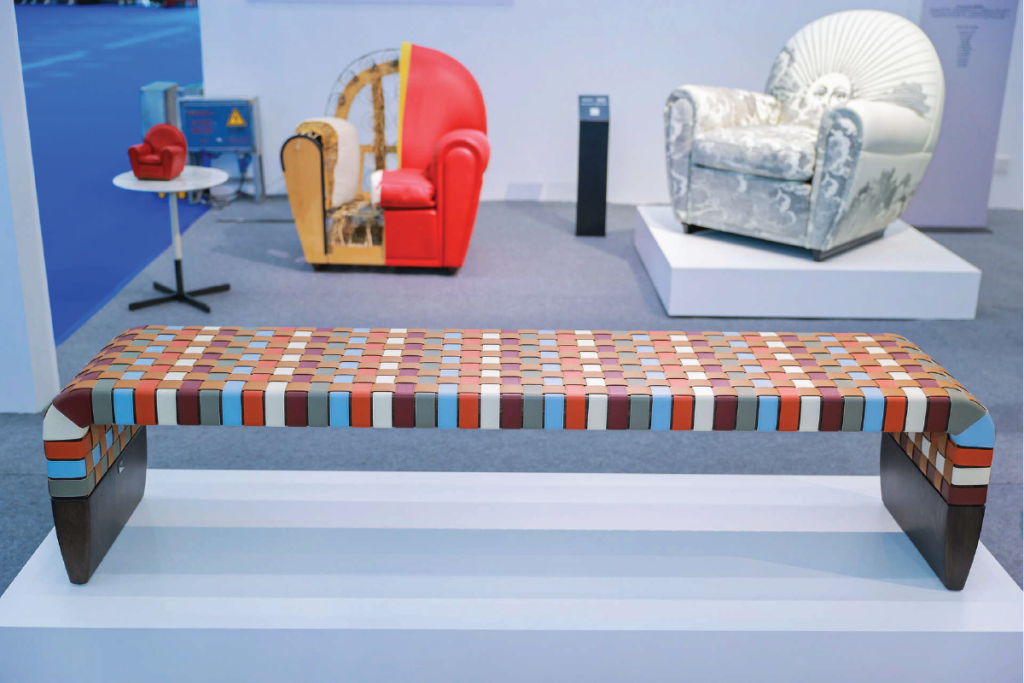
Curated Montage Of Installations
The exhibition features six curated programmes highlighting the growing relevance of human-centric design, demonstrating how technology, materials, and wellness can be integrated thoughtfully to enhance everyday living. ‘GOOD DESIGN SELECT’ is a globally recognised design initiative curated by industrial designer Shi Xiaoxi, serving as a platform for international design discourse. Showcasing lauded works from international design competitions, the initiative seeks to foreground exemplary global design and underscore its cultural significance. In 2025, it returns in collaboration with Japan’s prestigious Good Design Award, presenting the Best 100 selection, which features Nothing Technology Limited, marking its inaugural appearance at the fair.
Also Read: Design Shanghai 2025 Champions Human-Centric Design At Its 12th Edition
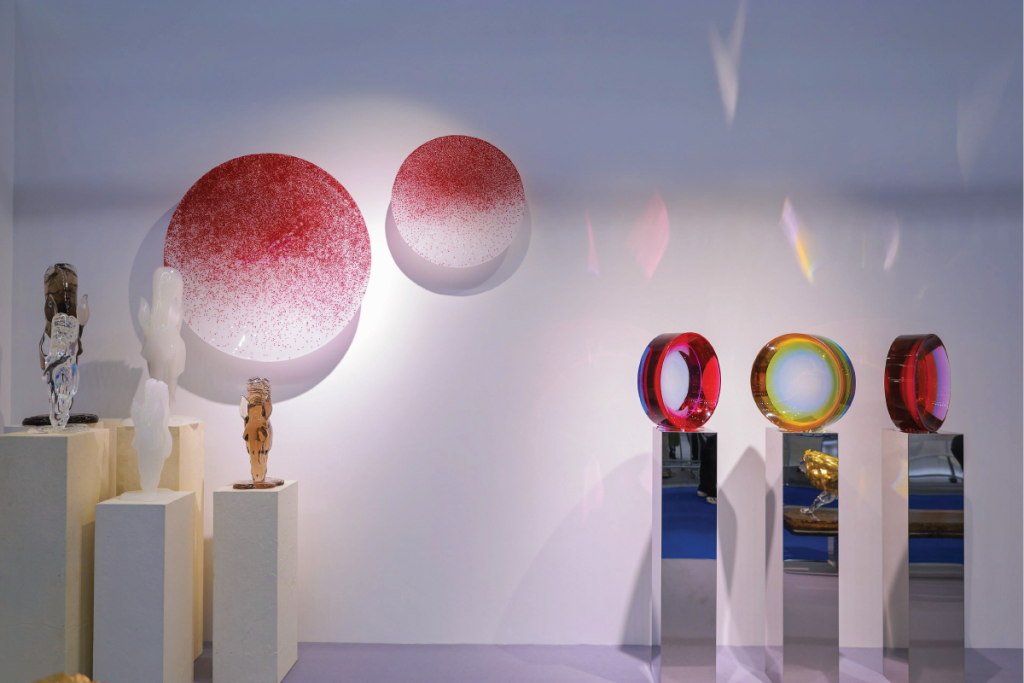
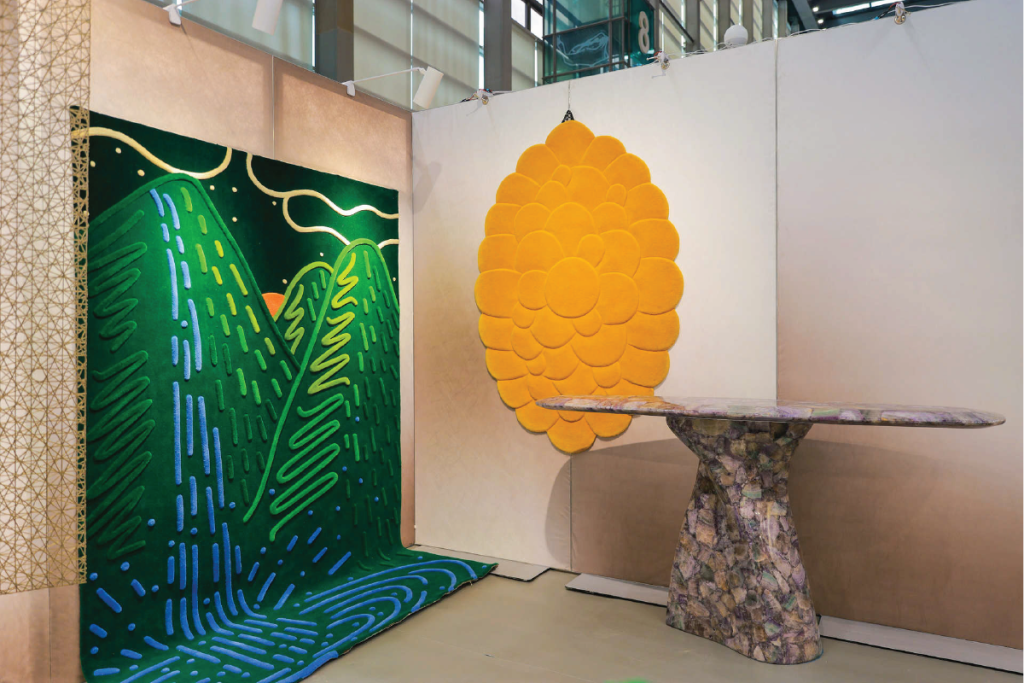
While ‘WellConnect,’ is a collaboration between designer and art director David Hugh and Design Shenzhen, examining the correlation between design, technology, and human well-being. The fair’s third edition expands on prior explorations of early human dwellings, caves and nests, with ‘DESIGNWELL’ HUB. It is a design community cultivating collaboration while advancing sustainable wellness-centric solutions. Simultaneously, ‘Re:Materialize,’ curated in association with Rong Design Library, stages dual showcases of material-led innovation seamlessly entwining consumer technology aesthetics with luxury residential design. In keeping with its technological theme, ‘E-Space’ emerged as an immersive arena for gaming culture, exploring the intersection of hardware, experiential media, and lifestyle design, featuring tech brands like Samsung, ROG, Nanoleaf, XEO, and more.
The Intellectual Core
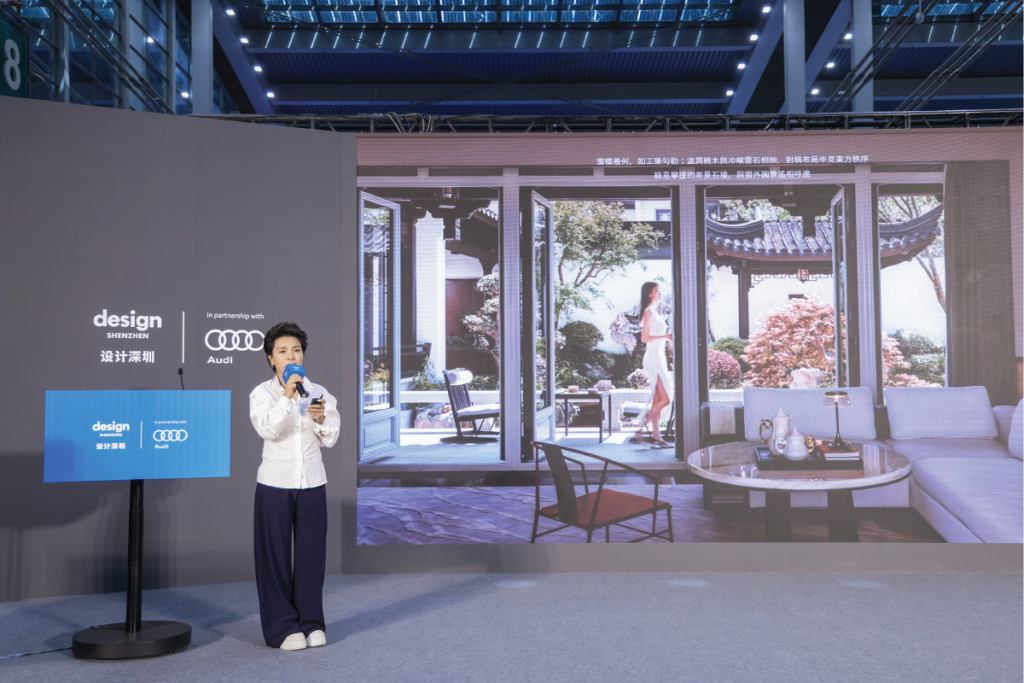
The fair convened two seminal forums, ‘The Global Luxury Property Design Conference’ held in partnership with CCD and centred on the theme ‘The New Luxury,’ which examined the interplay of cultural identity, wellness, and technological complexity in luxury living. Introducing visionaries such as Joe Cheng, Founder of CCD, and Designers Deborah Oppenheimer and Marcel Van Doorn. ‘The Technology and Creativity’ Conference, set around the theme of ‘Digital Design for Humanity,’ brought together leaders such as designer Gadi Amit and architect Matteo Fioravanti to explore sustainability and the shifting interplay between human creativity and AI.
Also Read: Art Mumbai 2024: Iconic Works From Ravinder Reddy To Pablo Picasso
Beyond The Convention Hall
Design Shenzhen extended its influence into the city’s daily life with local collaborations, dynamic public and commercial spaces, punctuating it with moments of design. The inaugural City Design Guide charted Shenzhen and the Greater Bay Area’s design-forward landmarks, transforming the urban landscapes into a curated gallery of ingenuity.
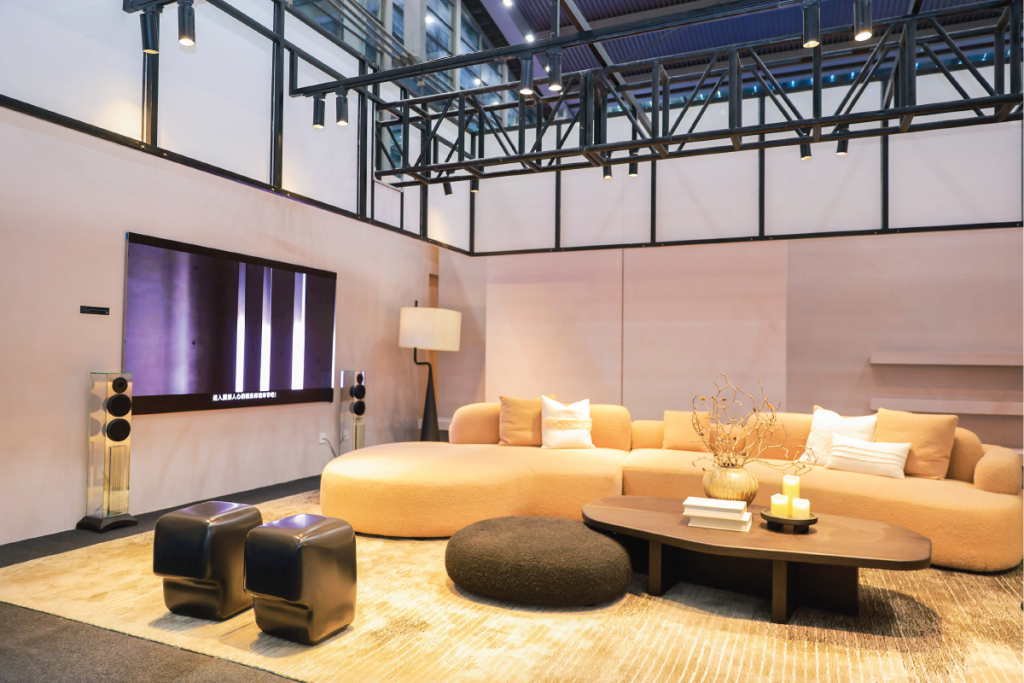
By seamlessly integrating consumer technology, commercial architecture, and luxury design, Design Shenzhen 2025 affirmed its stature beyond mere exhibition. From immersive installations that merge wellness with technology to curated programs emphasising material intelligence and sustainable practice, the event underscored the capacity of design to influence culture, commerce, and human behaviour. With its medley of programmes, it provided essential insights into the evolving interplay between innovation and lifestyle, demonstrating how design can foresee societal shifts and shape the future of urban living.