A Closer Look At The 6th Kochi-Muziris Biennale 2025 Through The Eyes Of Its Curator, Nikhil Chopra
Nikhil Chopra discusses curating the 6th Kochi-Muziris Biennale, exploring presence, time, artistic collaboration, and how Kochi’s rich cultural landscape shapes this deeply immersive edition of the Biennale.
- 9 Dec '25
- 4:16 pm by Urvi Kothari

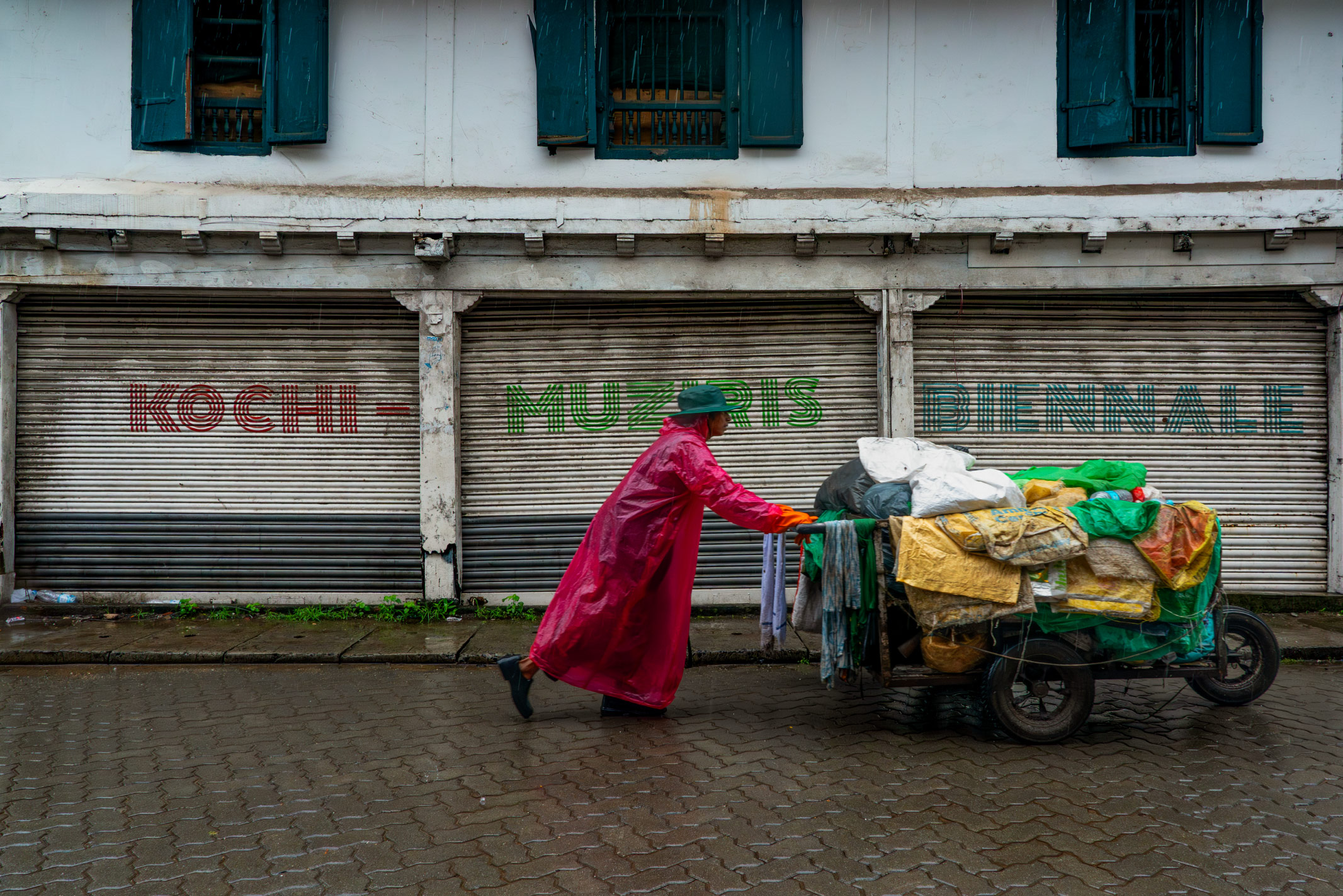
The Kochi-Muziris Biennale rises every two years like a tide — swelling through its weathered lanes, filling its abandoned godowns and seaside courtyards with voices, bodies, and ideas from around the world. Inaugurated in 2012, the Biennale invites audiences into a space where time feels porous, where history breathes against contemporary thought, and where art unfolds not just on walls but in gestures, performances, encounters and shared moments. It is less an event and more a perpetual conversation.
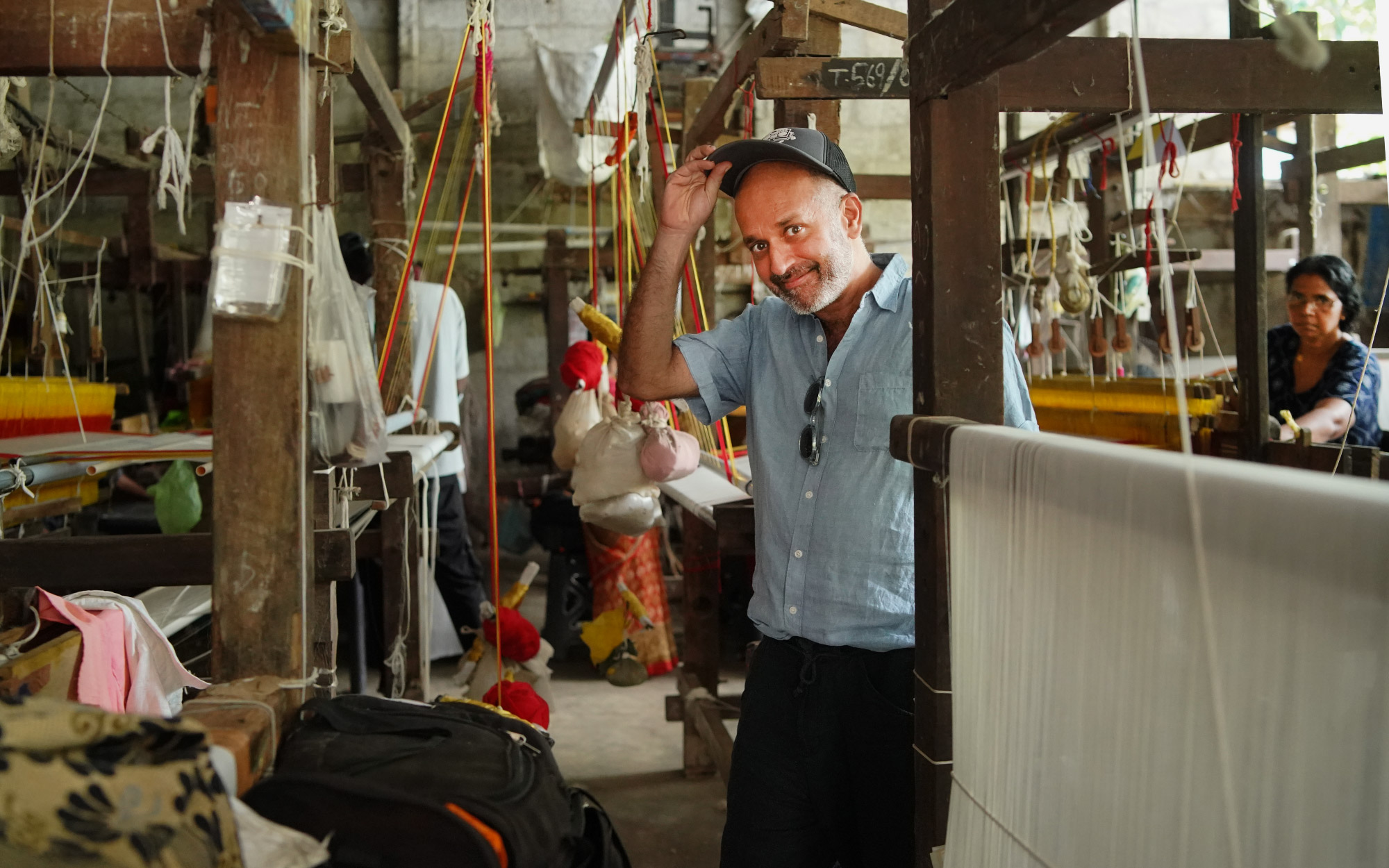
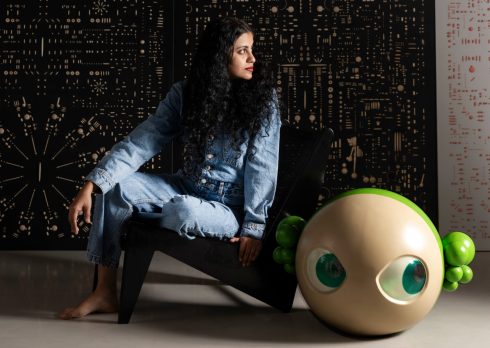
“Curating a Biennale is almost a civic responsibility, like being an artist”, shares Nikhil Chopra, the curator of the 6th edition of Kochi Muziris Biennale. The internationally renowned multidisciplinary artist has taken on the responsibility to paint Kochi into a live performative art as he transforms the coastal city with his curatorial vision. Stepping into the role of a curator is a natural extension of Chopra’s long-standing belief that art is a collective endeavour. Titled ‘For the Time Being,’ the biennale will present 66 artists and collectives from over 25 countries hailing from across 22 venues. As co-founder of HH Art Spaces, Chopra has long championed collective making, and this Biennale invites artists to be fully present in Kochi. He attempts to embrace process as methodology, and to place the friendship economies that have long nurtured artist-led initiatives as the very scaffolding of the exhibition.
With Nikhil Chopra at the helm, this edition of the Biennale becomes not just an exhibition, but a shared moment in time — alive, present, and deeply human. Exactly a week ahead of the opening, we delve into his raison d’étre, inspiration, thought and vision of what it really means to curate this edition of the Biennale.
Design Pataki: How are you feeling exactly a week before the opening?
Nikhil Chopra: Understatement! (he laughs)
I think we discovered something as far back as the pyramids– that if we all live within the same physics, we can move a mountain. That’s how it feels! I can say this confidently because it’s not just me, a lone soldier on this journey. I have a team, and we share the excitement, burden and responsibility. That’s what makes this experience about being united together (with the goal of) to bring people together.
DP: The word ‘being’ has repeatedly come up as you expressed in your previous response. This connects us to your curatorial vision, ‘For the Time Being’. What does this phrase mean to you?
NC: ‘Being’ is an interesting word. It works both as a noun and a verb. To be is to be aware of our presence, breath and the light running through our veins. It’s an acknowledgement of being alive! ‘Time’ is another aspect. We are each other’s contemporaries because, for this brief moment, we share this planet. This moment–the very ‘now’—is ours together. Lastly, there’s acceptance. (This refers to) accepting who we are, what we have and what we need. It’s about embracing our tools–talents, energies, bodies, and souls. Once we understand our real tools, what we can do becomes limitless. So being and time are deeply intertwined – both grounded in presence.
DP: This biennale seems as a continuation of your journey, considering that you have participated previously as an artist, and now returning with a larger responsibility. What are your thoughts as a curator?
NC: Honestly, this didn’t just land in my lap. HH Art Spaces is a co-creator. There’s a fine line between creating and curating. It’s an ecosystem built with other artists and practices. We, as artists, never create in a vacuum. We create with people, not just for them – communities, collaborators, friends and families. So this feels like a natural growth of that philosophy. Curating a Biennale is almost a civic responsibility, like being an artist is. The scale is radically different from when I was invited by Jitish Kallat in 2014. But each experience feeds the other. It’s like dropping a feather in a pond – the concentric circles keep expanding.
Also Read: This Kochi Home Is A Tribute To Family Legacy And Modern Design
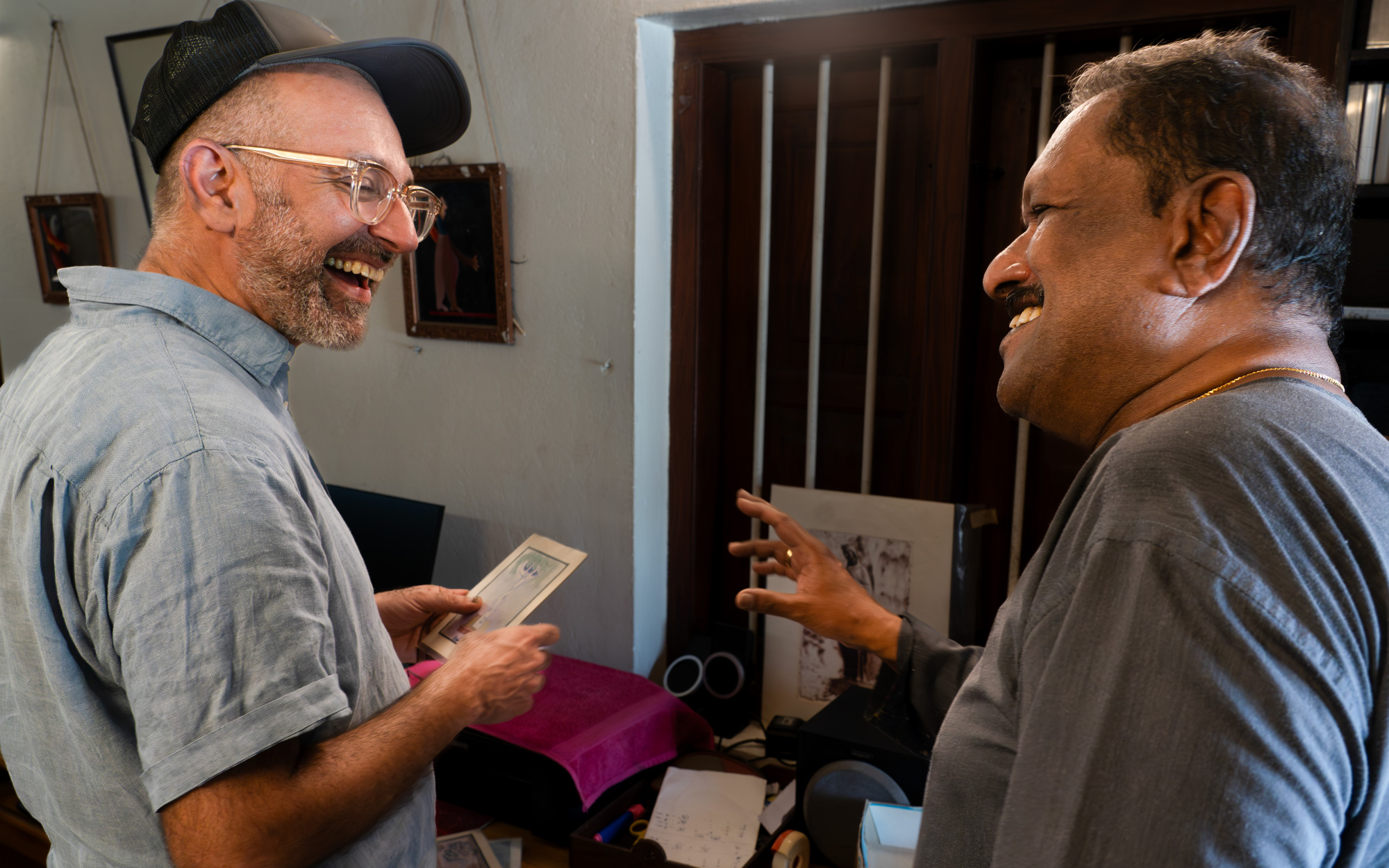
DP: How has it been working on the ground with diverse artistic practices?
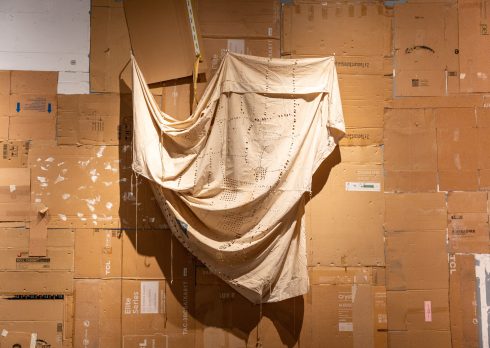
NC: The exciting part is that we’ve brought artists, not objects. Instead of shipping artworks in containers across the seas, we brought people here. That creates a dynamic energy – face to face, eye to eye, shoulder to shoulder. Not all the art is live, but all the art is alive. Whether it is a painting or a performance, the question we kept asking was: Can we feel the artist’s presence on the surface? That sense of ‘liveness’ has extended into everything – paintings, sculptures, textiles, ceramics (and so on).
Also Read: From Heritage Murals To Modern Vaults, 5 Ceiling Design Trends You Can’t-Miss
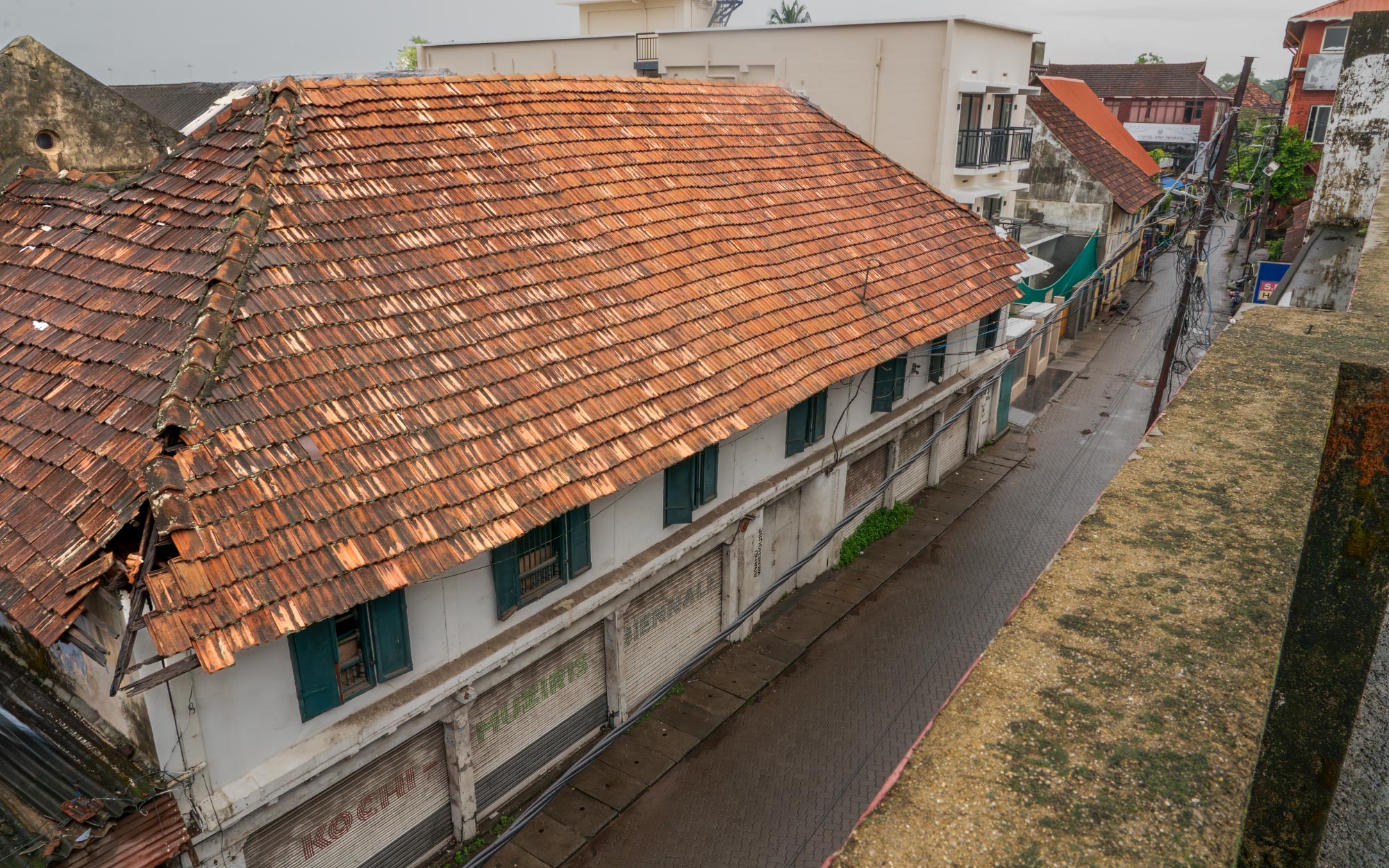
DP: Kochi has always been a city of layered histories–migration, trade, resistance, hybridity. How do these histories enter your curatorial decisions?
NC: People think of resources as funds, but our resources here are immense. Knowledge is wealth and the 5000-year-old craft traditions are still alive. A walk through Mattancherry or Fort Kochi shows these traditions that have been alive for thousands of years. I didn’t instruct artists to respond to Kochi’s history directly. Instead, I offered the richness of this place–its linguistic diversity, communities, inherent internationalism—and invited artists to react rather than act. The Biennale itself is impermanent. It’s a moment we share, not something that will last forever.
DP: What challenges did you face while curating this edition?
NC: Biennale is a massive, interweaving of art, politics, city, community, neighbourhood, and marketplace. The people who fringe it are the people who serve it. The implications of what we are doing here are massive. Kochi is not an easy place for contemporary art – humidity, mould, weather and funds are always a challenge too. We don’t have a ‘sugar daddy’ taking care of us. We raise money as well as get the Kerala government involved. The Biennale’s spaces sit untouched for two years between editions. There’s no permanent infrastructure. In many ways, each Biennale feels like it’s the first. The biggest challenge is people management – artists, teams, energy levels, expectations. It requires nerves of steel!
Also Read: This Kozhikode Office Exemplifies The Rustic Minimalist Aesthetic
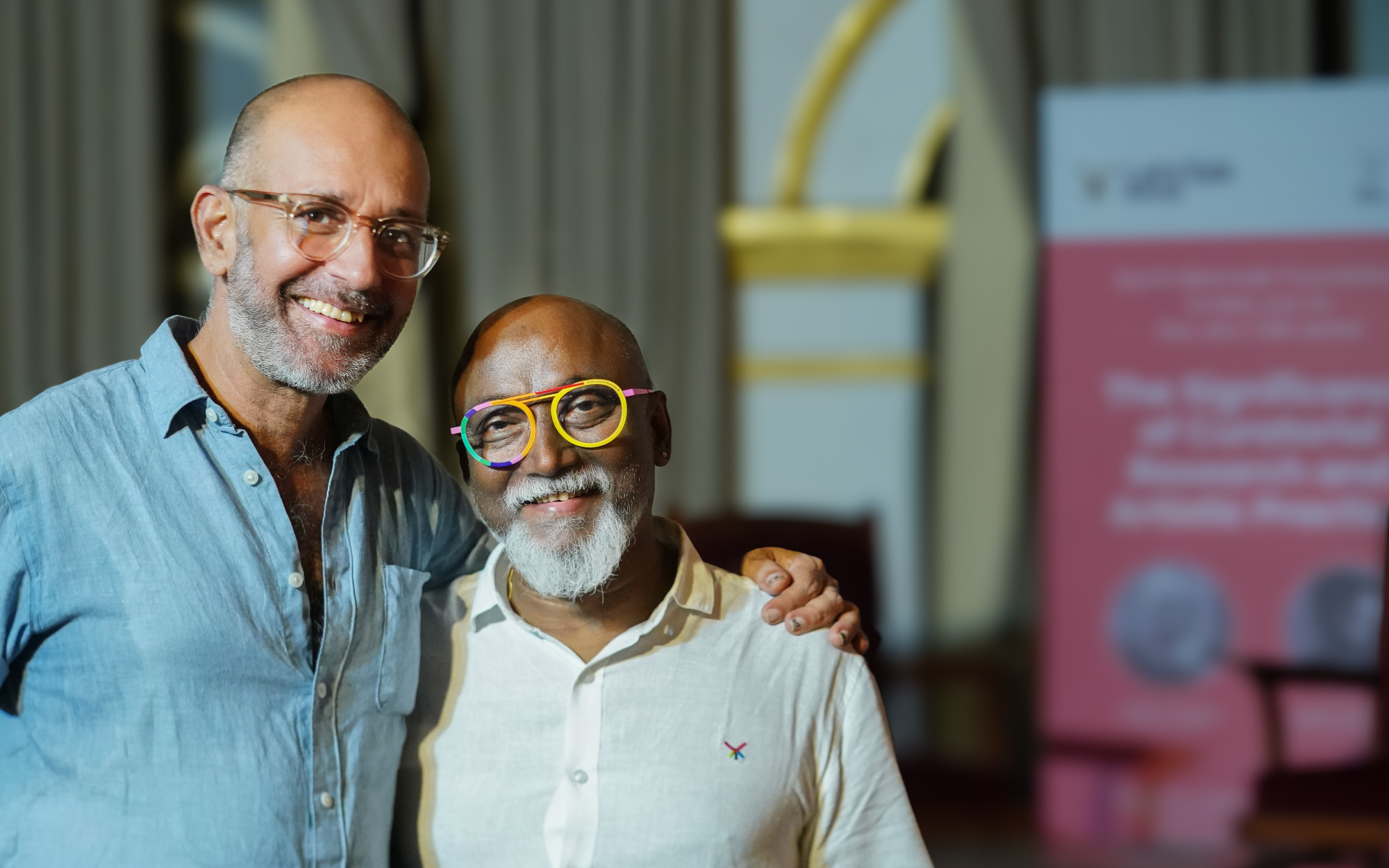
DP: What is one feeling or question you hope visitors leave with?
NC: It’s hard to assume what people will feel, and we shouldn’t be didactic. But I hope visitors feel touched and transformed, even if it’s for a breath. I hope their perspective shifts that art shouldn’t be alienated. You don’t need art history to understand this Biennale. You just need to come to us. I want people to feel included and embraced. Art is for everyone, not just the elite. I’m personally very excited to be taken through the many experiences.
Kochi Muziris Biennale will open its doors on December 12, 2025 and will be on display till March 31, 2026.